Add Your Heading Text HereFor Daily Use (Small Amounts): Software wallets like MetaMask, Trust Wallet, or Phantom. Enable hardware integration when possible.
For Long-Term Holdings (Your Kingdom's Treasury): Hardware wallets (Ledger, Trezor) — keep offline except when signing transactions.
Pro Tip: Use a dedicated "burner" wallet for risky activities like airdrops or new DeFi projects.
Advanced Protection Strategies for 2026
Level up your game:
Revoke Token Approvals Regularly — Use Revoke.cash or similar tools to cancel old permissions.
Multi-Signature Wallets — Require multiple approvals (great for teams or high-value holdings).
VPN on Public Wi-Fi — Never transact on coffee shop networks without one.
Hardware Security Keys — Add YubiKey for extra login protection.
Quantum-Resistant Prep — Some newer hardware wallets already support post-quantum cryptography — future-proof where you can.
Navigating DeFi Safely as a Beginner
DeFi offers freedom — and risk. Start small:
Research projects thoroughly (check audits on Certik or PeckShield).
Use reputable platforms.
Set slippage limits.
Never connect your main wallet to unknown sites.
What to Do If Something Goes Wrong
Act fast:
Disconnect wallet immediately.
Transfer remaining funds to a new, secure wallet.
Report to the platform/exchange.
File with authorities (e.g., FBI IC3 in USA, Europol in Europe).
Learn from it — most recoveries come from quick action.
Final Thoughts: Rule Your Blockchain Kingdom Securely
Crypto security isn't about fear — it's about empowerment. By following these steps, you minimize risks and focus on growth, trading, and building in this exciting space.
In Europe, stay MiCA-compliant (full CASP rules are in effect by mid-2026 for many services), and in the USA, watch evolving SEC/IRS guidance.
You've got this! Share your top security tip in the comments below — let's build a stronger community together.
Stay vigilant, stay sovereign, and long live the Crypto Kingdom!Navigating DeFi Safely as a BeginnerAlways double-check URLs, sender emails, and never click urgent "verify wallet" links!
Core Security Foundations: Start Here
Build your base with these non-negotiable basics.
Never Share Your Seed Phrase or Private Keys
Write them on paper (or metal for fireproofing) and store in a safe place — not on your phone, cloud, or email.
Use Strong, Unique Passwords + 2FA
Enable app-based 2FA (Google Authenticator or Authy) — avoid SMS due to SIM-swap risks.
Keep Software Updated
Wallets, browsers, OS — patches close vulnerabilities hackers love.
Verify Everything
Bookmark official sites. Check for HTTPS. Use tools like Etherscan for transaction details.
Choosing & Securing Your Crypto Wallets
Your wallet is your vault — choose wisely.
Hot Wallets (online, convenient) vs Cold Wallets (offline, ultra-secure):Hey there, fellow crypto adventurer! Welcome to the Crypto Kingdom, where you truly Rule the Blockchain. If you're between 18 and 45, living in Europe or the USA, and you're dipping your toes (or diving headfirst) into crypto, this guide is built for you.
In 2025 alone, hackers and scammers stole over $3.4 billion in crypto — with massive incidents like the Bybit exchange hack costing nearly $1.5 billion (largely linked to sophisticated state-backed groups). But here's the empowering truth: most losses happen due to preventable mistakes, not unstoppable super-hacks.
This beginner-friendly guide walks you through the real threats in 2026 and gives you practical, step-by-step ways to build your fortress. Let's turn you from a newbie into a secure ruler of your digital kingdom — no jargon overload, just real protection.
Understanding the Crypto Threat Landscape in 2026
The crypto world is more mature than ever, but threats have evolved too. Here's what you're really up against:
Phishing & Social Engineering — Fake emails, urgent DMs, or AI-generated voice calls pretending to be support teams. Scammers now use deepfakes and tailored messages.
Wallet Drainers & Malware — Malicious sites or apps that trick you into approving unlimited token spends.
Private Key & Seed Phrase Theft — One screenshot or weak storage = game over.
Exchange & Platform Hacks — Centralized platforms remain targets, though many have improved.
Address Poisoning & Impersonation — Scammers send tiny "dust" transactions from look-alike addresses to trick you later.
North Korean-linked groups stole over $2 billion in 2025 alone — showing how organized and persistent these threats are. But with the right habits, you stay ahead.
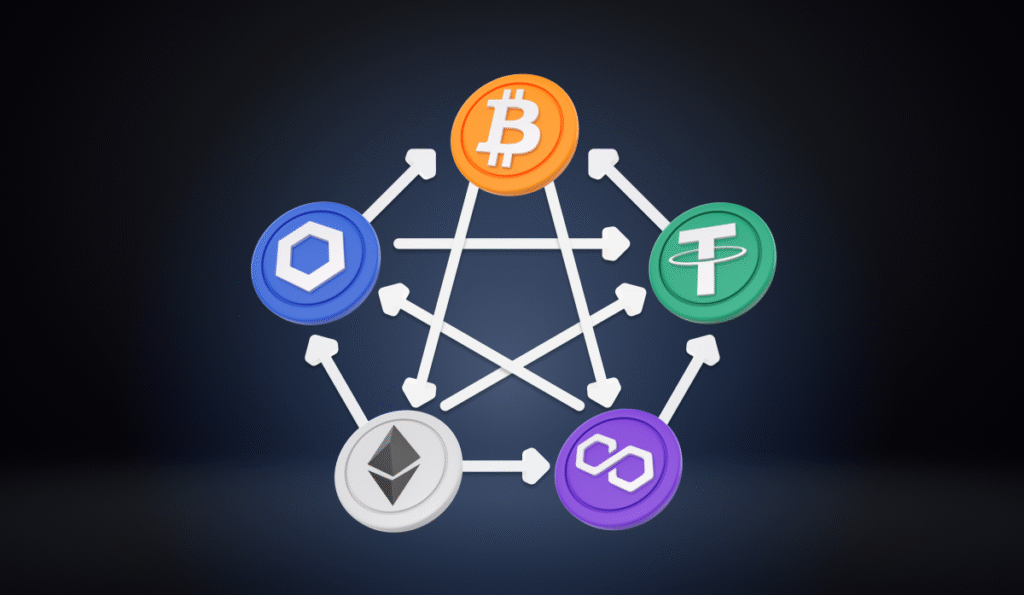
Here are some real-world examples of phishing attempts that target crypto users:Best Global Crypto Assets in 2026For Daily Use (Small Amounts): Software wallets like MetaMask, Trust Wallet, or Phantom. Enable hardware integration when possible.
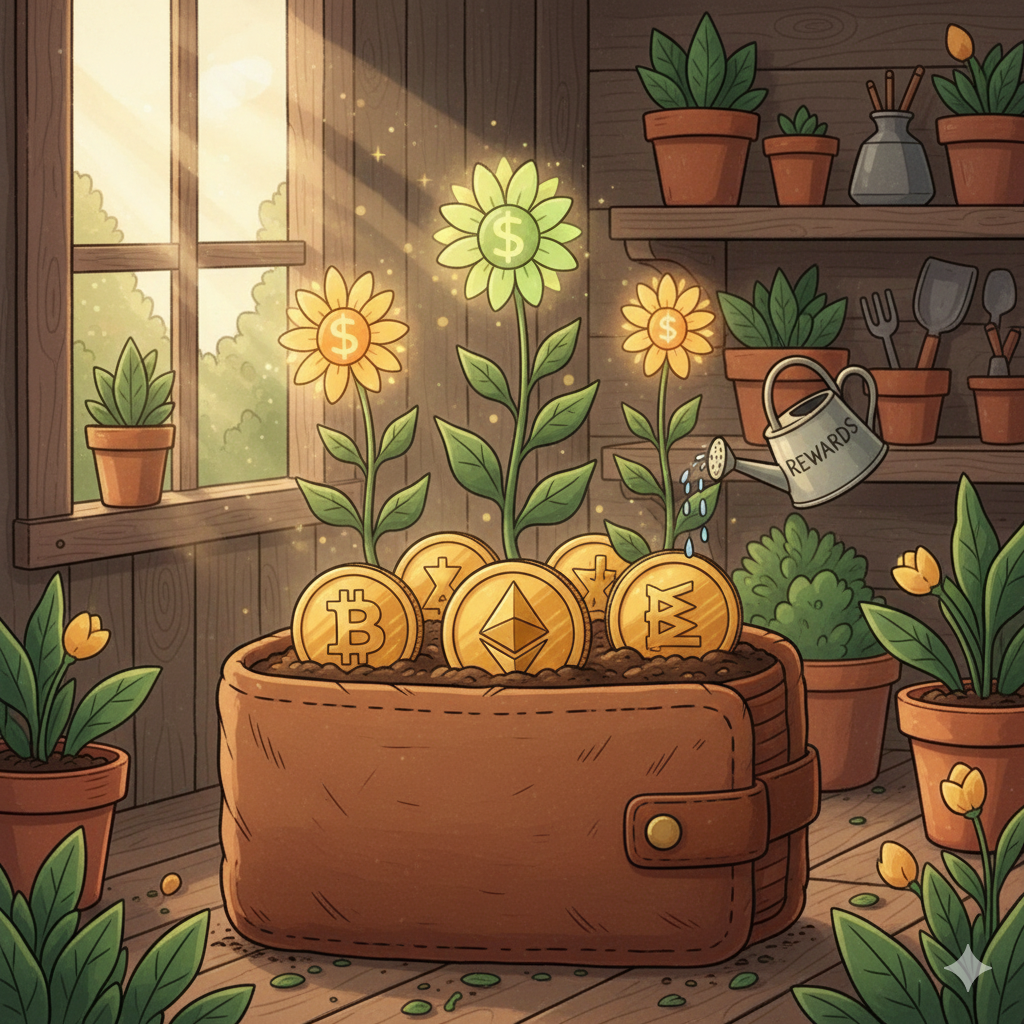
For Long-Term Holdings (Your Kingdom's Treasury): Hardware wallets (Ledger, Trezor) — keep offline except when signing transactions.
Pro Tip: Use a dedicated "burner" wallet for risky activities like airdrops or new DeFi projects.
Advanced Protection Strategies for 2026
Level up your game:
Revoke Token Approvals Regularly — Use Revoke.cash or similar tools to cancel old permissions.
Multi-Signature Wallets — Require multiple approvals (great for teams or high-value holdings).
VPN on Public Wi-Fi — Never transact on coffee shop networks without one.
Hardware Security Keys — Add YubiKey for extra login protection.
Quantum-Resistant Prep — Some newer hardware wallets already support post-quantum cryptography — future-proof where you can.
Navigating DeFi Safely as a Beginner
DeFi offers freedom — and risk. Start small:
Research projects thoroughly (check audits on Certik or PeckShield).
Use reputable platforms.
Set slippage limits.
Never connect your main wallet to unknown sites.
What to Do If Something Goes Wrong
Act fast:
Disconnect wallet immediately.
Transfer remaining funds to a new, secure wallet.
Report to the platform/exchange.
File with authorities (e.g., FBI IC3 in USA, Europol in Europe).
Learn from it — most recoveries come from quick action.
Final Thoughts: Rule Your Blockchain Kingdom Securely
Crypto security isn't about fear — it's about empowerment. By following these steps, you minimize risks and focus on growth, trading, and building in this exciting space.
In Europe, stay MiCA-compliant (full CASP rules are in effect by mid-2026 for many services), and in the USA, watch evolving SEC/IRS guidance.
You've got this! Share your top security tip in the comments below — let's build a stronger community together.
Stay vigilant, stay sovereign, and long live the Crypto Kingdom!Navigating DeFi Safely as a BeginnerAlways double-check URLs, sender emails, and never click urgent "verify wallet" links!
Core Security Foundations: Start Here
Build your base with these non-negotiable basics.
Never Share Your Seed Phrase or Private Keys
Write them on paper (or metal for fireproofing) and store in a safe place — not on your phone, cloud, or email.
Use Strong, Unique Passwords + 2FA
Enable app-based 2FA (Google Authenticator or Authy) — avoid SMS due to SIM-swap risks.
Keep Software Updated
Wallets, browsers, OS — patches close vulnerabilities hackers love.
Verify Everything
Bookmark official sites. Check for HTTPS. Use tools like Etherscan for transaction details.
Choosing & Securing Your Crypto Wallets
Your wallet is your vault — choose wisely.
Hot Wallets (online, convenient) vs Cold Wallets (offline, ultra-secure):Hey there, fellow crypto adventurer! Welcome to the Crypto Kingdom, where you truly Rule the Blockchain. If you're between 18 and 45, living in Europe or the USA, and you're dipping your toes (or diving headfirst) into crypto, this guide is built for you.
In 2025 alone, hackers and scammers stole over $3.4 billion in crypto — with massive incidents like the Bybit exchange hack costing nearly $1.5 billion (largely linked to sophisticated state-backed groups). But here's the empowering truth: most losses happen due to preventable mistakes, not unstoppable super-hacks.
This beginner-friendly guide walks you through the real threats in 2026 and gives you practical, step-by-step ways to build your fortress. Let's turn you from a newbie into a secure ruler of your digital kingdom — no jargon overload, just real protection.
Understanding the Crypto Threat Landscape in 2026
The crypto world is more mature than ever, but threats have evolved too. Here's what you're really up against:
Phishing & Social Engineering — Fake emails, urgent DMs, or AI-generated voice calls pretending to be support teams. Scammers now use deepfakes and tailored messages.
Wallet Drainers & Malware — Malicious sites or apps that trick you into approving unlimited token spends.
Private Key & Seed Phrase Theft — One screenshot or weak storage = game over.
Exchange & Platform Hacks — Centralized platforms remain targets, though many have improved.
Address Poisoning & Impersonation — Scammers send tiny "dust" transactions from look-alike addresses to trick you later.
North Korean-linked groups stole over $2 billion in 2025 alone — showing how organized and persistent these threats are. But with the right habits, you stay ahead.
Here are some real-world examples of phishing attempts that target crypto users:Best Global Crypto Assets in 2026For Daily Use (Small Amounts): Software wallets like MetaMask, Trust Wallet, or Phantom. Enable hardware integration when possible.
For Long-Term Holdings (Your Kingdom's Treasury): Hardware wallets (Ledger, Trezor) — keep offline except when signing transactions.
Pro Tip: Use a dedicated "burner" wallet for risky activities like airdrops or new DeFi projects.
Advanced Protection Strategies for 2026
Level up your game:
Revoke Token Approvals Regularly — Use Revoke.cash or similar tools to cancel old permissions.
Multi-Signature Wallets — Require multiple approvals (great for teams or high-value holdings).
VPN on Public Wi-Fi — Never transact on coffee shop networks without one.
Hardware Security Keys — Add YubiKey for extra login protection.
Quantum-Resistant Prep — Some newer hardware wallets already support post-quantum cryptography — future-proof where you can.
Navigating DeFi Safely as a Beginner
DeFi offers freedom — and risk. Start small:
Research projects thoroughly (check audits on Certik or PeckShield).
Use reputable platforms.
Set slippage limits.
Never connect your main wallet to unknown sites.
What to Do If Something Goes Wrong
Act fast:
Disconnect wallet immediately.
Transfer remaining funds to a new, secure wallet.
Report to the platform/exchange.
File with authorities (e.g., FBI IC3 in USA, Europol in Europe).
Learn from it — most recoveries come from quick action.
Final Thoughts: Rule Your Blockchain Kingdom Securely
Crypto security isn't about fear — it's about empowerment. By following these steps, you minimize risks and focus on growth, trading, and building in this exciting space.
In Europe, stay MiCA-compliant (full CASP rules are in effect by mid-2026 for many services), and in the USA, watch evolving SEC/IRS guidance.
You've got this! Share your top security tip in the comments below — let's build a stronger community together.
Stay vigilant, stay sovereign, and long live the Crypto Kingdom!Navigating DeFi Safely as a BeginnerAlways double-check URLs, sender emails, and never click urgent "verify wallet" links!
Core Security Foundations: Start Here
Build your base with these non-negotiable basics.
Never Share Your Seed Phrase or Private Keys
Write them on paper (or metal for fireproofing) and store in a safe place — not on your phone, cloud, or email.
Use Strong, Unique Passwords + 2FA
Enable app-based 2FA (Google Authenticator or Authy) — avoid SMS due to SIM-swap risks.
Keep Software Updated
Wallets, browsers, OS — patches close vulnerabilities hackers love.
Verify Everything
Bookmark official sites. Check for HTTPS. Use tools like Etherscan for transaction details.
Choosing & Securing Your Crypto Wallets
Your wallet is your vault — choose wisely.
Hot Wallets (online, convenient) vs Cold Wallets (offline, ultra-secure):Hey there, fellow crypto adventurer! Welcome to the Crypto Kingdom, where you truly Rule the Blockchain. If you're between 18 and 45, living in Europe or the USA, and you're dipping your toes (or diving headfirst) into crypto, this guide is built for you.
In 2025 alone, hackers and scammers stole over $3.4 billion in crypto — with massive incidents like the Bybit exchange hack costing nearly $1.5 billion (largely linked to sophisticated state-backed groups). But here's the empowering truth: most losses happen due to preventable mistakes, not unstoppable super-hacks.
This beginner-friendly guide walks you through the real threats in 2026 and gives you practical, step-by-step ways to build your fortress. Let's turn you from a newbie into a secure ruler of your digital kingdom — no jargon overload, just real protection.
Understanding the Crypto Threat Landscape in 2026
The crypto world is more mature than ever, but threats have evolved too. Here's what you're really up against:
Phishing & Social Engineering — Fake emails, urgent DMs, or AI-generated voice calls pretending to be support teams. Scammers now use deepfakes and tailored messages.
Wallet Drainers & Malware — Malicious sites or apps that trick you into approving unlimited token spends.
Private Key & Seed Phrase Theft — One screenshot or weak storage = game over.
Exchange & Platform Hacks — Centralized platforms remain targets, though many have improved.
Address Poisoning & Impersonation — Scammers send tiny "dust" transactions from look-alike addresses to trick you later.
North Korean-linked groups stole over $2 billion in 2025 alone — showing how organized and persistent these threats are. But with the right habits, you stay ahead.
Here are some real-world examples of phishing attempts that target crypto users:For Daily Use (Small Amounts): Software wallets like MetaMask, Trust Wallet, or Phantom. Enable hardware integration when possible.
For Long-Term Holdings (Your Kingdom's Treasury): Hardware wallets (Ledger, Trezor) — keep offline except when signing transactions.
Pro Tip: Use a dedicated "burner" wallet for risky activities like airdrops or new DeFi projects.
Advanced Protection Strategies for 2026
Level up your game:
Revoke Token Approvals Regularly — Use Revoke.cash or similar tools to cancel old permissions.
Multi-Signature Wallets — Require multiple approvals (great for teams or high-value holdings).
VPN on Public Wi-Fi — Never transact on coffee shop networks without one.
Hardware Security Keys — Add YubiKey for extra login protection.
Quantum-Resistant Prep — Some newer hardware wallets already support post-quantum cryptography — future-proof where you can.
Navigating DeFi Safely as a Beginner
DeFi offers freedom — and risk. Start small:
Research projects thoroughly (check audits on Certik or PeckShield).
Use reputable platforms.
Set slippage limits.
Never connect your main wallet to unknown sites.
What to Do If Something Goes Wrong
Act fast:
Disconnect wallet immediately.
Transfer remaining funds to a new, secure wallet.
Report to the platform/exchange.
File with authorities (e.g., FBI IC3 in USA, Europol in Europe).
Learn from it — most recoveries come from quick action.
Final Thoughts: Rule Your Blockchain Kingdom Securely
Crypto security isn't about fear — it's about empowerment. By following these steps, you minimize risks and focus on growth, trading, and building in this exciting space.
In Europe, stay MiCA-compliant (full CASP rules are in effect by mid-2026 for many services), and in the USA, watch evolving SEC/IRS guidance.
You've got this! Share your top security tip in the comments below — let's build a stronger community together.
Stay vigilant, stay sovereign, and long live the Crypto Kingdom!For Daily Use (Small Amounts): Software wallets like MetaMask, Trust Wallet, or Phantom. Enable hardware integration when possible.
For Long-Term Holdings (Your Kingdom's Treasury): Hardware wallets (Ledger, Trezor) — keep offline except when signing transactions.
Pro Tip: Use a dedicated "burner" wallet for risky activities like airdrops or new DeFi projects.
Advanced Protection Strategies for 2026
Level up your game:
Revoke Token Approvals Regularly — Use Revoke.cash or similar tools to cancel old permissions.
Multi-Signature Wallets — Require multiple approvals (great for teams or high-value holdings).
VPN on Public Wi-Fi — Never transact on coffee shop networks without one.
Hardware Security Keys — Add YubiKey for extra login protection.
Quantum-Resistant Prep — Some newer hardware wallets already support post-quantum cryptography — future-proof where you can.
Navigating DeFi Safely as a Beginner
DeFi offers freedom — and risk. Start small:
Research projects thoroughly (check audits on Certik or PeckShield).
Use reputable platforms.
Set slippage limits.
Never connect your main wallet to unknown sites.
What to Do If Something Goes Wrong
Act fast:
Disconnect wallet immediately.
Transfer remaining funds to a new, secure wallet.
Report to the platform/exchange.
File with authorities (e.g., FBI IC3 in USA, Europol in Europe).
Learn from it — most recoveries come from quick action.
Final Thoughts: Rule Your Blockchain Kingdom Securely
Crypto security isn't about fear — it's about empowerment. By following these steps, you minimize risks and focus on growth, trading, and building in this exciting space.
In Europe, stay MiCA-compliant (full CASP rules are in effect by mid-2026 for many services), and in the USA, watch evolving SEC/IRS guidance.
You've got this! Share your top security tip in the comments below — let's build a stronger community together.
Stay vigilant, stay sovereign, and long live the Crypto Kingdom!Navigating DeFi Safely as a BeginnerAlways double-check URLs, sender emails, and never click urgent "verify wallet" links!
Core Security Foundations: Start Here
Build your base with these non-negotiable basics.
Never Share Your Seed Phrase or Private Keys
Write them on paper (or metal for fireproofing) and store in a safe place — not on your phone, cloud, or email.
Use Strong, Unique Passwords + 2FA
Enable app-based 2FA (Google Authenticator or Authy) — avoid SMS due to SIM-swap risks.
Keep Software Updated
Wallets, browsers, OS — patches close vulnerabilities hackers love.
Verify Everything
Bookmark official sites. Check for HTTPS. Use tools like Etherscan for transaction details.
Choosing & Securing Your Crypto Wallets
Your wallet is your vault — choose wisely.
Hot Wallets (online, convenient) vs Cold Wallets (offline, ultra-secure):Hey there, fellow crypto adventurer! Welcome to the Crypto Kingdom, where you truly Rule the Blockchain. If you're between 18 and 45, living in Europe or the USA, and you're dipping your toes (or diving headfirst) into crypto, this guide is built for you.
In 2025 alone, hackers and scammers stole over $3.4 billion in crypto — with massive incidents like the Bybit exchange hack costing nearly $1.5 billion (largely linked to sophisticated state-backed groups). But here's the empowering truth: most losses happen due to preventable mistakes, not unstoppable super-hacks.
This beginner-friendly guide walks you through the real threats in 2026 and gives you practical, step-by-step ways to build your fortress. Let's turn you from a newbie into a secure ruler of your digital kingdom — no jargon overload, just real protection.
Understanding the Crypto Threat Landscape in 2026
The crypto world is more mature than ever, but threats have evolved too. Here's what you're really up against:
Phishing & Social Engineering — Fake emails, urgent DMs, or AI-generated voice calls pretending to be support teams. Scammers now use deepfakes and tailored messages.
Wallet Drainers & Malware — Malicious sites or apps that trick you into approving unlimited token spends.
Private Key & Seed Phrase Theft — One screenshot or weak storage = game over.
Exchange & Platform Hacks — Centralized platforms remain targets, though many have improved.
Address Poisoning & Impersonation — Scammers send tiny "dust" transactions from look-alike addresses to trick you later.
North Korean-linked groups stole over $2 billion in 2025 alone — showing how organized and persistent these threats are. But with the right habits, you stay ahead.
Here are some real-world examples of phishing attempts that target crypto users:For Daily Use (Small Amounts): Software wallets like MetaMask, Trust Wallet, or Phantom. Enable hardware integration when possible.
For Long-Term Holdings (Your Kingdom's Treasury): Hardware wallets (Ledger, Trezor) — keep offline except when signing transactions.
Pro Tip: Use a dedicated "burner" wallet for risky activities like airdrops or new DeFi projects.
Advanced Protection Strategies for 2026
Level up your game:
Revoke Token Approvals Regularly — Use Revoke.cash or similar tools to cancel old permissions.
Multi-Signature Wallets — Require multiple approvals (great for teams or high-value holdings).
VPN on Public Wi-Fi — Never transact on coffee shop networks without one.
Hardware Security Keys — Add YubiKey for extra login protection.
Quantum-Resistant Prep — Some newer hardware wallets already support post-quantum cryptography — future-proof where you can.
Navigating DeFi Safely as a Beginner
DeFi offers freedom — and risk. Start small:
Research projects thoroughly (check audits on Certik or PeckShield).
Use reputable platforms.
Set slippage limits.
Never connect your main wallet to unknown sites.
What to Do If Something Goes Wrong
Act fast:
Disconnect wallet immediately.
Transfer remaining funds to a new, secure wallet.
Report to the platform/exchange.
File with authorities (e.g., FBI IC3 in USA, Europol in Europe).
Learn from it — most recoveries come from quick action.
Final Thoughts: Rule Your Blockchain Kingdom Securely
Crypto security isn't about fear — it's about empowerment. By following these steps, you minimize risks and focus on growth, trading, and building in this exciting space.
In Europe, stay MiCA-compliant (full CASP rules are in effect by mid-2026 for many services), and in the USA, watch evolving SEC/IRS guidance.
You've got this! Share your top security tip in the comments below — let's build a stronger community together.
Stay vigilant, stay sovereign, and long live the Crypto Kingdom!Navigating DeFi Safely as a BeginnerFor Daily Use (Small Amounts): Software wallets like MetaMask, Trust Wallet, or Phantom. Enable hardware integration when possible.
For Long-Term Holdings (Your Kingdom's Treasury): Hardware wallets (Ledger, Trezor) — keep offline except when signing transactions.
Pro Tip: Use a dedicated "burner" wallet for risky activities like airdrops or new DeFi projects.
Advanced Protection Strategies for 2026
Level up your game:
Revoke Token Approvals Regularly — Use Revoke.cash or similar tools to cancel old permissions.
Multi-Signature Wallets — Require multiple approvals (great for teams or high-value holdings).
VPN on Public Wi-Fi — Never transact on coffee shop networks without one.
Hardware Security Keys — Add YubiKey for extra login protection.
Quantum-Resistant Prep — Some newer hardware wallets already support post-quantum cryptography — future-proof where you can.
Navigating DeFi Safely as a Beginner
DeFi offers freedom — and risk. Start small:
Research projects thoroughly (check audits on Certik or PeckShield).
Use reputable platforms.
Set slippage limits.
Never connect your main wallet to unknown sites.
What to Do If Something Goes Wrong
Act fast:
Disconnect wallet immediately.
Transfer remaining funds to a new, secure wallet.
Report to the platform/exchange.
File with authorities (e.g., FBI IC3 in USA, Europol in Europe).
Learn from it — most recoveries come from quick action.
Final Thoughts: Rule Your Blockchain Kingdom Securely
Crypto security isn't about fear — it's about empowerment. By following these steps, you minimize risks and focus on growth, trading, and building in this exciting space.
In Europe, stay MiCA-compliant (full CASP rules are in effect by mid-2026 for many services), and in the USA, watch evolving SEC/IRS guidance.
You've got this! Share your top security tip in the comments below — let's build a stronger community together.
Stay vigilant, stay sovereign, and long live the Crypto Kingdom!Always double-check URLs, sender emails, and never click urgent "verify wallet" links!
Core Security Foundations: Start Here
Build your base with these non-negotiable basics.
Never Share Your Seed Phrase or Private Keys
Write them on paper (or metal for fireproofing) and store in a safe place — not on your phone, cloud, or email.
Use Strong, Unique Passwords + 2FA
Enable app-based 2FA (Google Authenticator or Authy) — avoid SMS due to SIM-swap risks.
Keep Software Updated
Wallets, browsers, OS — patches close vulnerabilities hackers love.
Verify Everything
Bookmark official sites. Check for HTTPS. Use tools like Etherscan for transaction details.
Choosing & Securing Your Crypto Wallets
Your wallet is your vault — choose wisely.
Hot Wallets (online, convenient) vs Cold Wallets (offline, ultra-secure):Hey there, fellow crypto adventurer! Welcome to the Crypto Kingdom, where you truly Rule the Blockchain. If you're between 18 and 45, living in Europe or the USA, and you're dipping your toes (or diving headfirst) into crypto, this guide is built for you.
In 2025 alone, hackers and scammers stole over $3.4 billion in crypto — with massive incidents like the Bybit exchange hack costing nearly $1.5 billion (largely linked to sophisticated state-backed groups). But here's the empowering truth: most losses happen due to preventable mistakes, not unstoppable super-hacks.
This beginner-friendly guide walks you through the real threats in 2026 and gives you practical, step-by-step ways to build your fortress. Let's turn you from a newbie into a secure ruler of your digital kingdom — no jargon overload, just real protection.
Understanding the Crypto Threat Landscape in 2026
The crypto world is more mature than ever, but threats have evolved too. Here's what you're really up against:
Phishing & Social Engineering — Fake emails, urgent DMs, or AI-generated voice calls pretending to be support teams. Scammers now use deepfakes and tailored messages.
Wallet Drainers & Malware — Malicious sites or apps that trick you into approving unlimited token spends.
Private Key & Seed Phrase Theft — One screenshot or weak storage = game over.
Exchange & Platform Hacks — Centralized platforms remain targets, though many have improved.
Address Poisoning & Impersonation — Scammers send tiny "dust" transactions from look-alike addresses to trick you later.
North Korean-linked groups stole over $2 billion in 2025 alone — showing how organized and persistent these threats are. But with the right habits, you stay ahead.
Here are some real-world examples of phishing attempts that target crypto users:Hey there, fellow crypto adventurer! Welcome to the Crypto Kingdom, where you truly Rule the Blockchain. If you're between 18 and 45, living in Europe or the USA, and you're dipping your toes (or diving headfirst) into crypto, this guide is built for you.
In 2025 alone, hackers and scammers stole over $3.4 billion in crypto — with massive incidents like the Bybit exchange hack costing nearly $1.5 billion (largely linked to sophisticated state-backed groups). But here's the empowering truth: most losses happen due to preventable mistakes, not unstoppable super-hacks.
This beginner-friendly guide walks you through the real threats in 2026 and gives you practical, step-by-step ways to build your fortress. Let's turn you from a newbie into a secure ruler of your digital kingdom — no jargon overload, just real protection.
Understanding the Crypto Threat Landscape in 2026
The crypto world is more mature than ever, but threats have evolved too. Here's what you're really up against:
Phishing & Social Engineering — Fake emails, urgent DMs, or AI-generated voice calls pretending to be support teams. Scammers now use deepfakes and tailored messages.
Wallet Drainers & Malware — Malicious sites or apps that trick you into approving unlimited token spends.
Private Key & Seed Phrase Theft — One screenshot or weak storage = game over.
Exchange & Platform Hacks — Centralized platforms remain targets, though many have improved.
Address Poisoning & Impersonation — Scammers send tiny "dust" transactions from look-alike addresses to trick you later.
North Korean-linked groups stole over $2 billion in 2025 alone — showing how organized and persistent these threats are. But with the right habits, you stay ahead.
Here are some real-world examples of phishing attempts that target crypto users:For Daily Use (Small Amounts): Software wallets like MetaMask, Trust Wallet, or Phantom. Enable hardware integration when possible.
For Long-Term Holdings (Your Kingdom's Treasury): Hardware wallets (Ledger, Trezor) — keep offline except when signing transactions.
Pro Tip: Use a dedicated "burner" wallet for risky activities like airdrops or new DeFi projects.
Advanced Protection Strategies for 2026
Level up your game:
Revoke Token Approvals Regularly — Use Revoke.cash or similar tools to cancel old permissions.
Multi-Signature Wallets — Require multiple approvals (great for teams or high-value holdings).
VPN on Public Wi-Fi — Never transact on coffee shop networks without one.
Hardware Security Keys — Add YubiKey for extra login protection.
Quantum-Resistant Prep — Some newer hardware wallets already support post-quantum cryptography — future-proof where you can.
Navigating DeFi Safely as a Beginner
DeFi offers freedom — and risk. Start small:
Research projects thoroughly (check audits on Certik or PeckShield).
Use reputable platforms.
Set slippage limits.
Never connect your main wallet to unknown sites.
What to Do If Something Goes Wrong
Act fast:
Disconnect wallet immediately.
Transfer remaining funds to a new, secure wallet.
Report to the platform/exchange.
File with authorities (e.g., FBI IC3 in USA, Europol in Europe).
Learn from it — most recoveries come from quick action.
Final Thoughts: Rule Your Blockchain Kingdom Securely
Crypto security isn't about fear — it's about empowerment. By following these steps, you minimize risks and focus on growth, trading, and building in this exciting space.
In Europe, stay MiCA-compliant (full CASP rules are in effect by mid-2026 for many services), and in the USA, watch evolving SEC/IRS guidance.
You've got this! Share your top security tip in the comments below — let's build a stronger community together.
Stay vigilant, stay sovereign, and long live the Crypto Kingdom!Navigating DeFi Safely as a BeginnerFor Daily Use (Small Amounts): Software wallets like MetaMask, Trust Wallet, or Phantom. Enable hardware integration when possible.
For Long-Term Holdings (Your Kingdom's Treasury): Hardware wallets (Ledger, Trezor) — keep offline except when signing transactions.
Pro Tip: Use a dedicated "burner" wallet for risky activities like airdrops or new DeFi projects.
Advanced Protection Strategies for 2026
Level up your game:
Revoke Token Approvals Regularly — Use Revoke.cash or similar tools to cancel old permissions.
Multi-Signature Wallets — Require multiple approvals (great for teams or high-value holdings).
VPN on Public Wi-Fi — Never transact on coffee shop networks without one.
Hardware Security Keys — Add YubiKey for extra login protection.
Quantum-Resistant Prep — Some newer hardware wallets already support post-quantum cryptography — future-proof where you can.
Navigating DeFi Safely as a Beginner
DeFi offers freedom — and risk. Start small:
Research projects thoroughly (check audits on Certik or PeckShield).
Use reputable platforms.
Set slippage limits.
Never connect your main wallet to unknown sites.
What to Do If Something Goes Wrong
Act fast:
Disconnect wallet immediately.
Transfer remaining funds to a new, secure wallet.
Report to the platform/exchange.
File with authorities (e.g., FBI IC3 in USA, Europol in Europe).
Learn from it — most recoveries come from quick action.
Final Thoughts: Rule Your Blockchain Kingdom Securely
Crypto security isn't about fear — it's about empowerment. By following these steps, you minimize risks and focus on growth, trading, and building in this exciting space.
In Europe, stay MiCA-compliant (full CASP rules are in effect by mid-2026 for many services), and in the USA, watch evolving SEC/IRS guidance.
You've got this! Share your top security tip in the comments below — let's build a stronger community together.
Stay vigilant, stay sovereign, and long live the Crypto Kingdom!Always double-check URLs, sender emails, and never click urgent "verify wallet" links!
Core Security Foundations: Start Here
Build your base with these non-negotiable basics.
Never Share Your Seed Phrase or Private Keys
Write them on paper (or metal for fireproofing) and store in a safe place — not on your phone, cloud, or email.
Use Strong, Unique Passwords + 2FA
Enable app-based 2FA (Google Authenticator or Authy) — avoid SMS due to SIM-swap risks.
Keep Software Updated
Wallets, browsers, OS — patches close vulnerabilities hackers love.
Verify Everything
Bookmark official sites. Check for HTTPS. Use tools like Etherscan for transaction details.
Choosing & Securing Your Crypto Wallets
Your wallet is your vault — choose wisely.
Hot Wallets (online, convenient) vs Cold Wallets (offline, ultra-secure):Hey there, fellow crypto adventurer! Welcome to the Crypto Kingdom, where you truly Rule the Blockchain. If you're between 18 and 45, living in Europe or the USA, and you're dipping your toes (or diving headfirst) into crypto, this guide is built for you.
In 2025 alone, hackers and scammers stole over $3.4 billion in crypto — with massive incidents like the Bybit exchange hack costing nearly $1.5 billion (largely linked to sophisticated state-backed groups). But here's the empowering truth: most losses happen due to preventable mistakes, not unstoppable super-hacks.
This beginner-friendly guide walks you through the real threats in 2026 and gives you practical, step-by-step ways to build your fortress. Let's turn you from a newbie into a secure ruler of your digital kingdom — no jargon overload, just real protection.
Understanding the Crypto Threat Landscape in 2026
The crypto world is more mature than ever, but threats have evolved too. Here's what you're really up against:
Phishing & Social Engineering — Fake emails, urgent DMs, or AI-generated voice calls pretending to be support teams. Scammers now use deepfakes and tailored messages.
Wallet Drainers & Malware — Malicious sites or apps that trick you into approving unlimited token spends.
Private Key & Seed Phrase Theft — One screenshot or weak storage = game over.
Exchange & Platform Hacks — Centralized platforms remain targets, though many have improved.
Address Poisoning & Impersonation — Scammers send tiny "dust" transactions from look-alike addresses to trick you later.
North Korean-linked groups stole over $2 billion in 2025 alone — showing how organized and persistent these threats are. But with the right habits, you stay ahead.
Here are some real-world examples of phishing attempts that target crypto users:For Daily Use (Small Amounts): Software wallets like MetaMask, Trust Wallet, or Phantom. Enable hardware integration when possible.
For Long-Term Holdings (Your Kingdom's Treasury): Hardware wallets (Ledger, Trezor) — keep offline except when signing transactions.
Pro Tip: Use a dedicated "burner" wallet for risky activities like airdrops or new DeFi projects.
Advanced Protection Strategies for 2026
Level up your game:
Revoke Token Approvals Regularly — Use Revoke.cash or similar tools to cancel old permissions.
Multi-Signature Wallets — Require multiple approvals (great for teams or high-value holdings).
VPN on Public Wi-Fi — Never transact on coffee shop networks without one.
Hardware Security Keys — Add YubiKey for extra login protection.
Quantum-Resistant Prep — Some newer hardware wallets already support post-quantum cryptography — future-proof where you can.
Navigating DeFi Safely as a Beginner
DeFi offers freedom — and risk. Start small:
Research projects thoroughly (check audits on Certik or PeckShield).
Use reputable platforms.
Set slippage limits.
Never connect your main wallet to unknown sites.
What to Do If Something Goes Wrong
Act fast:
Disconnect wallet immediately.
Transfer remaining funds to a new, secure wallet.
Report to the platform/exchange.
File with authorities (e.g., FBI IC3 in USA, Europol in Europe).
Learn from it — most recoveries come from quick action.
Final Thoughts: Rule Your Blockchain Kingdom Securely
Crypto security isn't about fear — it's about empowerment. By following these steps, you minimize risks and focus on growth, trading, and building in this exciting space.
In Europe, stay MiCA-compliant (full CASP rules are in effect by mid-2026 for many services), and in the USA, watch evolving SEC/IRS guidance.
You've got this! Share your top security tip in the comments below — let's build a stronger community together.
Stay vigilant, stay sovereign, and long live the Crypto Kingdom!Navigating DeFi Safely as a BeginnerAlways double-check URLs, sender emails, and never click urgent "verify wallet" links!
Core Security Foundations: Start Here
Build your base with these non-negotiable basics.
Never Share Your Seed Phrase or Private Keys
Write them on paper (or metal for fireproofing) and store in a safe place — not on your phone, cloud, or email.
Use Strong, Unique Passwords + 2FA
Enable app-based 2FA (Google Authenticator or Authy) — avoid SMS due to SIM-swap risks.
Keep Software Updated
Wallets, browsers, OS — patches close vulnerabilities hackers love.
Verify Everything
Bookmark official sites. Check for HTTPS. Use tools like Etherscan for transaction details.
Choosing & Securing Your Crypto Wallets
Your wallet is your vault — choose wisely.
Hot Wallets (online, convenient) vs Cold Wallets (offline, ultra-secure):Hey there, fellow crypto adventurer! Welcome to the Crypto Kingdom, where you truly Rule the Blockchain. If you're between 18 and 45, living in Europe or the USA, and you're dipping your toes (or diving headfirst) into crypto, this guide is built for you.
In 2025 alone, hackers and scammers stole over $3.4 billion in crypto — with massive incidents like the Bybit exchange hack costing nearly $1.5 billion (largely linked to sophisticated state-backed groups). But here's the empowering truth: most losses happen due to preventable mistakes, not unstoppable super-hacks.
This beginner-friendly guide walks you through the real threats in 2026 and gives you practical, step-by-step ways to build your fortress. Let's turn you from a newbie into a secure ruler of your digital kingdom — no jargon overload, just real protection.
Understanding the Crypto Threat Landscape in 2026
The crypto world is more mature than ever, but threats have evolved too. Here's what you're really up against:
Phishing & Social Engineering — Fake emails, urgent DMs, or AI-generated voice calls pretending to be support teams. Scammers now use deepfakes and tailored messages.
Wallet Drainers & Malware — Malicious sites or apps that trick you into approving unlimited token spends.
Private Key & Seed Phrase Theft — One screenshot or weak storage = game over.
Exchange & Platform Hacks — Centralized platforms remain targets, though many have improved.
Address Poisoning & Impersonation — Scammers send tiny "dust" transactions from look-alike addresses to trick you later.
North Korean-linked groups stole over $2 billion in 2025 alone — showing how organized and persistent these threats are. But with the right habits, you stay ahead.
Here are some real-world examples of phishing attempts that target crypto users:For Daily Use (Small Amounts): Software wallets like MetaMask, Trust Wallet, or Phantom. Enable hardware integration when possible.
For Long-Term Holdings (Your Kingdom's Treasury): Hardware wallets (Ledger, Trezor) — keep offline except when signing transactions.
Pro Tip: Use a dedicated "burner" wallet for risky activities like airdrops or new DeFi projects.
Advanced Protection Strategies for 2026
Level up your game:
Revoke Token Approvals Regularly — Use Revoke.cash or similar tools to cancel old permissions.
Multi-Signature Wallets — Require multiple approvals (great for teams or high-value holdings).
VPN on Public Wi-Fi — Never transact on coffee shop networks without one.
Hardware Security Keys — Add YubiKey for extra login protection.
Quantum-Resistant Prep — Some newer hardware wallets already support post-quantum cryptography — future-proof where you can.
Navigating DeFi Safely as a Beginner
DeFi offers freedom — and risk. Start small:
Research projects thoroughly (check audits on Certik or PeckShield).
Use reputable platforms.
Set slippage limits.
Never connect your main wallet to unknown sites.
What to Do If Something Goes Wrong
Act fast:
Disconnect wallet immediately.
Transfer remaining funds to a new, secure wallet.
Report to the platform/exchange.
File with authorities (e.g., FBI IC3 in USA, Europol in Europe).
Learn from it — most recoveries come from quick action.
Final Thoughts: Rule Your Blockchain Kingdom Securely
Crypto security isn't about fear — it's about empowerment. By following these steps, you minimize risks and focus on growth, trading, and building in this exciting space.
In Europe, stay MiCA-compliant (full CASP rules are in effect by mid-2026 for many services), and in the USA, watch evolving SEC/IRS guidance.
You've got this! Share your top security tip in the comments below — let's build a stronger community together.
Stay vigilant, stay sovereign, and long live the Crypto Kingdom!Navigating DeFi Safely as a BeginnerAlways double-check URLs, sender emails, and never click urgent "verify wallet" links!
Core Security Foundations: Start Here
Build your base with these non-negotiable basics.
Never Share Your Seed Phrase or Private Keys
Write them on paper (or metal for fireproofing) and store in a safe place — not on your phone, cloud, or email.
Use Strong, Unique Passwords + 2FA
Enable app-based 2FA (Google Authenticator or Authy) — avoid SMS due to SIM-swap risks.
Keep Software Updated
Wallets, browsers, OS — patches close vulnerabilities hackers love.
Verify Everything
Bookmark official sites. Check for HTTPS. Use tools like Etherscan for transaction details.
Choosing & Securing Your Crypto Wallets
Your wallet is your vault — choose wisely.
Hot Wallets (online, convenient) vs Cold Wallets (offline, ultra-secure):Hey there, fellow crypto adventurer! Welcome to the Crypto Kingdom, where you truly Rule the Blockchain. If you're between 18 and 45, living in Europe or the USA, and you're dipping your toes (or diving headfirst) into crypto, this guide is built for you.
In 2025 alone, hackers and scammers stole over $3.4 billion in crypto — with massive incidents like the Bybit exchange hack costing nearly $1.5 billion (largely linked to sophisticated state-backed groups). But here's the empowering truth: most losses happen due to preventable mistakes, not unstoppable super-hacks.
This beginner-friendly guide walks you through the real threats in 2026 and gives you practical, step-by-step ways to build your fortress. Let's turn you from a newbie into a secure ruler of your digital kingdom — no jargon overload, just real protection.
Understanding the Crypto Threat Landscape in 2026
The crypto world is more mature than ever, but threats have evolved too. Here's what you're really up against:
Phishing & Social Engineering — Fake emails, urgent DMs, or AI-generated voice calls pretending to be support teams. Scammers now use deepfakes and tailored messages.
Wallet Drainers & Malware — Malicious sites or apps that trick you into approving unlimited token spends.
Private Key & Seed Phrase Theft — One screenshot or weak storage = game over.
Exchange & Platform Hacks — Centralized platforms remain targets, though many have improved.
Address Poisoning & Impersonation — Scammers send tiny "dust" transactions from look-alike addresses to trick you later.
North Korean-linked groups stole over $2 billion in 2025 alone — showing how organized and persistent these threats are. But with the right habits, you stay ahead.
Here are some real-world examples of phishing attempts that target crypto users:For Daily Use (Small Amounts): Software wallets like MetaMask, Trust Wallet, or Phantom. Enable hardware integration when possible.
For Long-Term Holdings (Your Kingdom's Treasury): Hardware wallets (Ledger, Trezor) — keep offline except when signing transactions.
Pro Tip: Use a dedicated "burner" wallet for risky activities like airdrops or new DeFi projects.
Advanced Protection Strategies for 2026
Level up your game:
Revoke Token Approvals Regularly — Use Revoke.cash or similar tools to cancel old permissions.
Multi-Signature Wallets — Require multiple approvals (great for teams or high-value holdings).
VPN on Public Wi-Fi — Never transact on coffee shop networks without one.
Hardware Security Keys — Add YubiKey for extra login protection.
Quantum-Resistant Prep — Some newer hardware wallets already support post-quantum cryptography — future-proof where you can.
Navigating DeFi Safely as a Beginner
DeFi offers freedom — and risk. Start small:
Research projects thoroughly (check audits on Certik or PeckShield).
Use reputable platforms.
Set slippage limits.
Never connect your main wallet to unknown sites.
What to Do If Something Goes Wrong
Act fast:
Disconnect wallet immediately.
Transfer remaining funds to a new, secure wallet.
Report to the platform/exchange.
File with authorities (e.g., FBI IC3 in USA, Europol in Europe).
Learn from it — most recoveries come from quick action.
Final Thoughts: Rule Your Blockchain Kingdom Securely
Crypto security isn't about fear — it's about empowerment. By following these steps, you minimize risks and focus on growth, trading, and building in this exciting space.
In Europe, stay MiCA-compliant (full CASP rules are in effect by mid-2026 for many services), and in the USA, watch evolving SEC/IRS guidance.
You've got this! Share your top security tip in the comments below — let's build a stronger community together.
Stay vigilant, stay sovereign, and long live the Crypto Kingdom!Navigating DeFi Safely as a BeginnerAlways double-check URLs, sender emails, and never click urgent "verify wallet" links!
Core Security Foundations: Start Here
Build your base with these non-negotiable basics.
Never Share Your Seed Phrase or Private Keys
Write them on paper (or metal for fireproofing) and store in a safe place — not on your phone, cloud, or email.
Use Strong, Unique Passwords + 2FA
Enable app-based 2FA (Google Authenticator or Authy) — avoid SMS due to SIM-swap risks.
Keep Software Updated
Wallets, browsers, OS — patches close vulnerabilities hackers love.
Verify Everything
Bookmark official sites. Check for HTTPS. Use tools like Etherscan for transaction details.
Choosing & Securing Your Crypto Wallets
Your wallet is your vault — choose wisely.
Hot Wallets (online, convenient) vs Cold Wallets (offline, ultra-secure):Hey there, fellow crypto adventurer! Welcome to the Crypto Kingdom, where you truly Rule the Blockchain. If you're between 18 and 45, living in Europe or the USA, and you're dipping your toes (or diving headfirst) into crypto, this guide is built for you.
In 2025 alone, hackers and scammers stole over $3.4 billion in crypto — with massive incidents like the Bybit exchange hack costing nearly $1.5 billion (largely linked to sophisticated state-backed groups). But here's the empowering truth: most losses happen due to preventable mistakes, not unstoppable super-hacks.
This beginner-friendly guide walks you through the real threats in 2026 and gives you practical, step-by-step ways to build your fortress. Let's turn you from a newbie into a secure ruler of your digital kingdom — no jargon overload, just real protection.
Understanding the Crypto Threat Landscape in 2026
The crypto world is more mature than ever, but threats have evolved too. Here's what you're really up against:
Phishing & Social Engineering — Fake emails, urgent DMs, or AI-generated voice calls pretending to be support teams. Scammers now use deepfakes and tailored messages.
Wallet Drainers & Malware — Malicious sites or apps that trick you into approving unlimited token spends.
Private Key & Seed Phrase Theft — One screenshot or weak storage = game over.
Exchange & Platform Hacks — Centralized platforms remain targets, though many have improved.
Address Poisoning & Impersonation — Scammers send tiny "dust" transactions from look-alike addresses to trick you later.
North Korean-linked groups stole over $2 billion in 2025 alone — showing how organized and persistent these threats are. But with the right habits, you stay ahead.
Here are some real-world examples of phishing attempts that target crypto users:Hey there, fellow crypto adventurer! Welcome to the Crypto Kingdom, where you truly Rule the Blockchain. If you're between 18 and 45, living in Europe or the USA, and you're dipping your toes (or diving headfirst) into crypto, this guide is built for you.
In 2025 alone, hackers and scammers stole over $3.4 billion in crypto — with massive incidents like the Bybit exchange hack costing nearly $1.5 billion (largely linked to sophisticated state-backed groups). But here's the empowering truth: most losses happen due to preventable mistakes, not unstoppable super-hacks.
This beginner-friendly guide walks you through the real threats in 2026 and gives you practical, step-by-step ways to build your fortress. Let's turn you from a newbie into a secure ruler of your digital kingdom — no jargon overload, just real protection.
Understanding the Crypto Threat Landscape in 2026
The crypto world is more mature than ever, but threats have evolved too. Here's what you're really up against:
Phishing & Social Engineering — Fake emails, urgent DMs, or AI-generated voice calls pretending to be support teams. Scammers now use deepfakes and tailored messages.
Wallet Drainers & Malware — Malicious sites or apps that trick you into approving unlimited token spends.
Private Key & Seed Phrase Theft — One screenshot or weak storage = game over.
Exchange & Platform Hacks — Centralized platforms remain targets, though many have improved.
Address Poisoning & Impersonation — Scammers send tiny "dust" transactions from look-alike addresses to trick you later.
North Korean-linked groups stole over $2 billion in 2025 alone — showing how organized and persistent these threats are. But with the right habits, you stay ahead.
Here are some real-world examples of phishing attempts that target crypto users:For Daily Use (Small Amounts): Software wallets like MetaMask, Trust Wallet, or Phantom. Enable hardware integration when possible.
For Long-Term Holdings (Your Kingdom's Treasury): Hardware wallets (Ledger, Trezor) — keep offline except when signing transactions.
Pro Tip: Use a dedicated "burner" wallet for risky activities like airdrops or new DeFi projects.
Advanced Protection Strategies for 2026
Level up your game:
Revoke Token Approvals Regularly — Use Revoke.cash or similar tools to cancel old permissions.
Multi-Signature Wallets — Require multiple approvals (great for teams or high-value holdings).
VPN on Public Wi-Fi — Never transact on coffee shop networks without one.
Hardware Security Keys — Add YubiKey for extra login protection.
Quantum-Resistant Prep — Some newer hardware wallets already support post-quantum cryptography — future-proof where you can.
Navigating DeFi Safely as a Beginner
DeFi offers freedom — and risk. Start small:
Research projects thoroughly (check audits on Certik or PeckShield).
Use reputable platforms.
Set slippage limits.
Never connect your main wallet to unknown sites.
What to Do If Something Goes Wrong
Act fast:
Disconnect wallet immediately.
Transfer remaining funds to a new, secure wallet.
Report to the platform/exchange.
File with authorities (e.g., FBI IC3 in USA, Europol in Europe).
Learn from it — most recoveries come from quick action.
Final Thoughts: Rule Your Blockchain Kingdom Securely
Crypto security isn't about fear — it's about empowerment. By following these steps, you minimize risks and focus on growth, trading, and building in this exciting space.
In Europe, stay MiCA-compliant (full CASP rules are in effect by mid-2026 for many services), and in the USA, watch evolving SEC/IRS guidance.
You've got this! Share your top security tip in the comments below — let's build a stronger community together.
Stay vigilant, stay sovereign, and long live the Crypto Kingdom!Navigating DeFi Safely as a BeginnerAlways double-check URLs, sender emails, and never click urgent "verify wallet" links!
Core Security Foundations: Start Here
Build your base with these non-negotiable basics.
Never Share Your Seed Phrase or Private Keys
Write them on paper (or metal for fireproofing) and store in a safe place — not on your phone, cloud, or email.
Use Strong, Unique Passwords + 2FA
Enable app-based 2FA (Google Authenticator or Authy) — avoid SMS due to SIM-swap risks.
Keep Software Updated
Wallets, browsers, OS — patches close vulnerabilities hackers love.
Verify Everything
Bookmark official sites. Check for HTTPS. Use tools like Etherscan for transaction details.
Choosing & Securing Your Crypto Wallets
Your wallet is your vault — choose wisely.
Hot Wallets (online, convenient) vs Cold Wallets (offline, ultra-secure):Hey there, fellow crypto adventurer! Welcome to the Crypto Kingdom, where you truly Rule the Blockchain. If you're between 18 and 45, living in Europe or the USA, and you're dipping your toes (or diving headfirst) into crypto, this guide is built for you.
In 2025 alone, hackers and scammers stole over $3.4 billion in crypto — with massive incidents like the Bybit exchange hack costing nearly $1.5 billion (largely linked to sophisticated state-backed groups). But here's the empowering truth: most losses happen due to preventable mistakes, not unstoppable super-hacks.
This beginner-friendly guide walks you through the real threats in 2026 and gives you practical, step-by-step ways to build your fortress. Let's turn you from a newbie into a secure ruler of your digital kingdom — no jargon overload, just real protection.
Understanding the Crypto Threat Landscape in 2026
The crypto world is more mature than ever, but threats have evolved too. Here's what you're really up against:
Phishing & Social Engineering — Fake emails, urgent DMs, or AI-generated voice calls pretending to be support teams. Scammers now use deepfakes and tailored messages.
Wallet Drainers & Malware — Malicious sites or apps that trick you into approving unlimited token spends.
Private Key & Seed Phrase Theft — One screenshot or weak storage = game over.
Exchange & Platform Hacks — Centralized platforms remain targets, though many have improved.
Address Poisoning & Impersonation — Scammers send tiny "dust" transactions from look-alike addresses to trick you later.
North Korean-linked groups stole over $2 billion in 2025 alone — showing how organized and persistent these threats are. But with the right habits, you stay ahead.
Here are some real-world examples of phishing attempts that target crypto users:For Daily Use (Small Amounts): Software wallets like MetaMask, Trust Wallet, or Phantom. Enable hardware integration when possible.
For Long-Term Holdings (Your Kingdom's Treasury): Hardware wallets (Ledger, Trezor) — keep offline except when signing transactions.
Pro Tip: Use a dedicated "burner" wallet for risky activities like airdrops or new DeFi projects.
Advanced Protection Strategies for 2026
Level up your game:
Revoke Token Approvals Regularly — Use Revoke.cash or similar tools to cancel old permissions.
Multi-Signature Wallets — Require multiple approvals (great for teams or high-value holdings).
VPN on Public Wi-Fi — Never transact on coffee shop networks without one.
Hardware Security Keys — Add YubiKey for extra login protection.
Quantum-Resistant Prep — Some newer hardware wallets already support post-quantum cryptography — future-proof where you can.
Navigating DeFi Safely as a Beginner
DeFi offers freedom — and risk. Start small:
Research projects thoroughly (check audits on Certik or PeckShield).
Use reputable platforms.
Set slippage limits.
Never connect your main wallet to unknown sites.
What to Do If Something Goes Wrong
Act fast:
Disconnect wallet immediately.
Transfer remaining funds to a new, secure wallet.
Report to the platform/exchange.
File with authorities (e.g., FBI IC3 in USA, Europol in Europe).
Learn from it — most recoveries come from quick action.
Final Thoughts: Rule Your Blockchain Kingdom Securely
Crypto security isn't about fear — it's about empowerment. By following these steps, you minimize risks and focus on growth, trading, and building in this exciting space.
In Europe, stay MiCA-compliant (full CASP rules are in effect by mid-2026 for many services), and in the USA, watch evolving SEC/IRS guidance.
You've got this! Share your top security tip in the comments below — let's build a stronger community together.
Stay vigilant, stay sovereign, and long live the Crypto Kingdom!Navigating DeFi Safely as a BeginnerAlways double-check URLs, sender emails, and never click urgent "verify wallet" links!
Core Security Foundations: Start Here
Build your base with these non-negotiable basics.
Never Share Your Seed Phrase or Private Keys
Write them on paper (or metal for fireproofing) and store in a safe place — not on your phone, cloud, or email.
Use Strong, Unique Passwords + 2FA
Enable app-based 2FA (Google Authenticator or Authy) — avoid SMS due to SIM-swap risks.
Keep Software Updated
Wallets, browsers, OS — patches close vulnerabilities hackers love.
Verify Everything
Bookmark official sites. Check for HTTPS. Use tools like Etherscan for transaction details.
Choosing & Securing Your Crypto Wallets
Your wallet is your vault — choose wisely.
Hot Wallets (online, convenient) vs Cold Wallets (offline, ultra-secure):Hey there, fellow crypto adventurer! Welcome to the Crypto Kingdom, where you truly Rule the Blockchain. If you're between 18 and 45, living in Europe or the USA, and you're dipping your toes (or diving headfirst) into crypto, this guide is built for you.
In 2025 alone, hackers and scammers stole over $3.4 billion in crypto — with massive incidents like the Bybit exchange hack costing nearly $1.5 billion (largely linked to sophisticated state-backed groups). But here's the empowering truth: most losses happen due to preventable mistakes, not unstoppable super-hacks.
This beginner-friendly guide walks you through the real threats in 2026 and gives you practical, step-by-step ways to build your fortress. Let's turn you from a newbie into a secure ruler of your digital kingdom — no jargon overload, just real protection.
Understanding the Crypto Threat Landscape in 2026
The crypto world is more mature than ever, but threats have evolved too. Here's what you're really up against:
Phishing & Social Engineering — Fake emails, urgent DMs, or AI-generated voice calls pretending to be support teams. Scammers now use deepfakes and tailored messages.
Wallet Drainers & Malware — Malicious sites or apps that trick you into approving unlimited token spends.
Private Key & Seed Phrase Theft — One screenshot or weak storage = game over.
Exchange & Platform Hacks — Centralized platforms remain targets, though many have improved.
Address Poisoning & Impersonation — Scammers send tiny "dust" transactions from look-alike addresses to trick you later.
North Korean-linked groups stole over $2 billion in 2025 alone — showing how organized and persistent these threats are. But with the right habits, you stay ahead.
Here are some real-world examples of phishing attempts that target crypto users:Hey there, fellow crypto adventurer! Welcome to the Crypto Kingdom, where you truly Rule the Blockchain. If you're between 18 and 45, living in Europe or the USA, and you're dipping your toes (or diving headfirst) into crypto, this guide is built for you.
In 2025 alone, hackers and scammers stole over $3.4 billion in crypto — with massive incidents like the Bybit exchange hack costing nearly $1.5 billion (largely linked to sophisticated state-backed groups). But here's the empowering truth: most losses happen due to preventable mistakes, not unstoppable super-hacks.
This beginner-friendly guide walks you through the real threats in 2026 and gives you practical, step-by-step ways to build your fortress. Let's turn you from a newbie into a secure ruler of your digital kingdom — no jargon overload, just real protection.
Understanding the Crypto Threat Landscape in 2026
The crypto world is more mature than ever, but threats have evolved too. Here's what you're really up against:
Phishing & Social Engineering — Fake emails, urgent DMs, or AI-generated voice calls pretending to be support teams. Scammers now use deepfakes and tailored messages.
Wallet Drainers & Malware — Malicious sites or apps that trick you into approving unlimited token spends.
Private Key & Seed Phrase Theft — One screenshot or weak storage = game over.
Exchange & Platform Hacks — Centralized platforms remain targets, though many have improved.
Address Poisoning & Impersonation — Scammers send tiny "dust" transactions from look-alike addresses to trick you later.
North Korean-linked groups stole over $2 billion in 2025 alone — showing how organized and persistent these threats are. But with the right habits, you stay ahead.
Here are some real-world examples of phishing attempts that target crypto users:For Daily Use (Small Amounts): Software wallets like MetaMask, Trust Wallet, or Phantom. Enable hardware integration when possible.
For Long-Term Holdings (Your Kingdom's Treasury): Hardware wallets (Ledger, Trezor) — keep offline except when signing transactions.
Pro Tip: Use a dedicated "burner" wallet for risky activities like airdrops or new DeFi projects.
Advanced Protection Strategies for 2026
Level up your game:
Revoke Token Approvals Regularly — Use Revoke.cash or similar tools to cancel old permissions.
Multi-Signature Wallets — Require multiple approvals (great for teams or high-value holdings).
VPN on Public Wi-Fi — Never transact on coffee shop networks without one.
Hardware Security Keys — Add YubiKey for extra login protection.
Quantum-Resistant Prep — Some newer hardware wallets already support post-quantum cryptography — future-proof where you can.
Navigating DeFi Safely as a Beginner
DeFi offers freedom — and risk. Start small:
Research projects thoroughly (check audits on Certik or PeckShield).
Use reputable platforms.
Set slippage limits.
Never connect your main wallet to unknown sites.
What to Do If Something Goes Wrong
Act fast:
Disconnect wallet immediately.
Transfer remaining funds to a new, secure wallet.
Report to the platform/exchange.
File with authorities (e.g., FBI IC3 in USA, Europol in Europe).
Learn from it — most recoveries come from quick action.
Final Thoughts: Rule Your Blockchain Kingdom Securely
Crypto security isn't about fear — it's about empowerment. By following these steps, you minimize risks and focus on growth, trading, and building in this exciting space.
In Europe, stay MiCA-compliant (full CASP rules are in effect by mid-2026 for many services), and in the USA, watch evolving SEC/IRS guidance.
You've got this! Share your top security tip in the comments below — let's build a stronger community together.
Stay vigilant, stay sovereign, and long live the Crypto Kingdom!Navigating DeFi Safely as a BeginnerAlways double-check URLs, sender emails, and never click urgent "verify wallet" links!
Core Security Foundations: Start Here
Build your base with these non-negotiable basics.
Never Share Your Seed Phrase or Private Keys
Write them on paper (or metal for fireproofing) and store in a safe place — not on your phone, cloud, or email.
Use Strong, Unique Passwords + 2FA
Enable app-based 2FA (Google Authenticator or Authy) — avoid SMS due to SIM-swap risks.
Keep Software Updated
Wallets, browsers, OS — patches close vulnerabilities hackers love.
Verify Everything
Bookmark official sites. Check for HTTPS. Use tools like Etherscan for transaction details.
Choosing & Securing Your Crypto Wallets
Your wallet is your vault — choose wisely.
Hot Wallets (online, convenient) vs Cold Wallets (offline, ultra-secure):Hey there, fellow crypto adventurer! Welcome to the Crypto Kingdom, where you truly Rule the Blockchain. If you're between 18 and 45, living in Europe or the USA, and you're dipping your toes (or diving headfirst) into crypto, this guide is built for you.
In 2025 alone, hackers and scammers stole over $3.4 billion in crypto — with massive incidents like the Bybit exchange hack costing nearly $1.5 billion (largely linked to sophisticated state-backed groups). But here's the empowering truth: most losses happen due to preventable mistakes, not unstoppable super-hacks.
This beginner-friendly guide walks you through the real threats in 2026 and gives you practical, step-by-step ways to build your fortress. Let's turn you from a newbie into a secure ruler of your digital kingdom — no jargon overload, just real protection.
Understanding the Crypto Threat Landscape in 2026
The crypto world is more mature than ever, but threats have evolved too. Here's what you're really up against:
Phishing & Social Engineering — Fake emails, urgent DMs, or AI-generated voice calls pretending to be support teams. Scammers now use deepfakes and tailored messages.
Wallet Drainers & Malware — Malicious sites or apps that trick you into approving unlimited token spends.
Private Key & Seed Phrase Theft — One screenshot or weak storage = game over.
Exchange & Platform Hacks — Centralized platforms remain targets, though many have improved.
Address Poisoning & Impersonation — Scammers send tiny "dust" transactions from look-alike addresses to trick you later.
North Korean-linked groups stole over $2 billion in 2025 alone — showing how organized and persistent these threats are. But with the right habits, you stay ahead.
Here are some real-world examples of phishing attempts that target crypto users:For Daily Use (Small Amounts): Software wallets like MetaMask, Trust Wallet, or Phantom. Enable hardware integration when possible.
For Long-Term Holdings (Your Kingdom's Treasury): Hardware wallets (Ledger, Trezor) — keep offline except when signing transactions.
Pro Tip: Use a dedicated "burner" wallet for risky activities like airdrops or new DeFi projects.
Advanced Protection Strategies for 2026
Level up your game:
Revoke Token Approvals Regularly — Use Revoke.cash or similar tools to cancel old permissions.
Multi-Signature Wallets — Require multiple approvals (great for teams or high-value holdings).
VPN on Public Wi-Fi — Never transact on coffee shop networks without one.
Hardware Security Keys — Add YubiKey for extra login protection.
Quantum-Resistant Prep — Some newer hardware wallets already support post-quantum cryptography — future-proof where you can.
Navigating DeFi Safely as a Beginner
DeFi offers freedom — and risk. Start small:
Research projects thoroughly (check audits on Certik or PeckShield).
Use reputable platforms.
Set slippage limits.
Never connect your main wallet to unknown sites.
What to Do If Something Goes Wrong
Act fast:
Disconnect wallet immediately.
Transfer remaining funds to a new, secure wallet.
Report to the platform/exchange.
File with authorities (e.g., FBI IC3 in USA, Europol in Europe).
Learn from it — most recoveries come from quick action.
Final Thoughts: Rule Your Blockchain Kingdom Securely
Crypto security isn't about fear — it's about empowerment. By following these steps, you minimize risks and focus on growth, trading, and building in this exciting space.
In Europe, stay MiCA-compliant (full CASP rules are in effect by mid-2026 for many services), and in the USA, watch evolving SEC/IRS guidance.
You've got this! Share your top security tip in the comments below — let's build a stronger community together.
Stay vigilant, stay sovereign, and long live the Crypto Kingdom!Navigating DeFi Safely as a BeginnerAlways double-check URLs, sender emails, and never click urgent "verify wallet" links!
Core Security Foundations: Start Here
Build your base with these non-negotiable basics.
Never Share Your Seed Phrase or Private Keys
Write them on paper (or metal for fireproofing) and store in a safe place — not on your phone, cloud, or email.
Use Strong, Unique Passwords + 2FA
Enable app-based 2FA (Google Authenticator or Authy) — avoid SMS due to SIM-swap risks.
Keep Software Updated
Wallets, browsers, OS — patches close vulnerabilities hackers love.
Verify Everything
Bookmark official sites. Check for HTTPS. Use tools like Etherscan for transaction details.
Choosing & Securing Your Crypto Wallets
Your wallet is your vault — choose wisely.
Hot Wallets (online, convenient) vs Cold Wallets (offline, ultra-secure):Hey there, fellow crypto adventurer! Welcome to the Crypto Kingdom, where you truly Rule the Blockchain. If you're between 18 and 45, living in Europe or the USA, and you're dipping your toes (or diving headfirst) into crypto, this guide is built for you.
In 2025 alone, hackers and scammers stole over $3.4 billion in crypto — with massive incidents like the Bybit exchange hack costing nearly $1.5 billion (largely linked to sophisticated state-backed groups). But here's the empowering truth: most losses happen due to preventable mistakes, not unstoppable super-hacks.
This beginner-friendly guide walks you through the real threats in 2026 and gives you practical, step-by-step ways to build your fortress. Let's turn you from a newbie into a secure ruler of your digital kingdom — no jargon overload, just real protection.
Understanding the Crypto Threat Landscape in 2026
The crypto world is more mature than ever, but threats have evolved too. Here's what you're really up against:
Phishing & Social Engineering — Fake emails, urgent DMs, or AI-generated voice calls pretending to be support teams. Scammers now use deepfakes and tailored messages.
Wallet Drainers & Malware — Malicious sites or apps that trick you into approving unlimited token spends.
Private Key & Seed Phrase Theft — One screenshot or weak storage = game over.
Exchange & Platform Hacks — Centralized platforms remain targets, though many have improved.
Address Poisoning & Impersonation — Scammers send tiny "dust" transactions from look-alike addresses to trick you later.
North Korean-linked groups stole over $2 billion in 2025 alone — showing how organized and persistent these threats are. But with the right habits, you stay ahead.
Here are some real-world examples of phishing attempts that target crypto users:Hey there, fellow crypto adventurer! Welcome to the Crypto Kingdom, where you truly Rule the Blockchain. If you're between 18 and 45, living in Europe or the USA, and you're dipping your toes (or diving headfirst) into crypto, this guide is built for you.
In 2025 alone, hackers and scammers stole over $3.4 billion in crypto — with massive incidents like the Bybit exchange hack costing nearly $1.5 billion (largely linked to sophisticated state-backed groups). But here's the empowering truth: most losses happen due to preventable mistakes, not unstoppable super-hacks.
This beginner-friendly guide walks you through the real threats in 2026 and gives you practical, step-by-step ways to build your fortress. Let's turn you from a newbie into a secure ruler of your digital kingdom — no jargon overload, just real protection.
Understanding the Crypto Threat Landscape in 2026
The crypto world is more mature than ever, but threats have evolved too. Here's what you're really up against:
Phishing & Social Engineering — Fake emails, urgent DMs, or AI-generated voice calls pretending to be support teams. Scammers now use deepfakes and tailored messages.
Wallet Drainers & Malware — Malicious sites or apps that trick you into approving unlimited token spends.
Private Key & Seed Phrase Theft — One screenshot or weak storage = game over.
Exchange & Platform Hacks — Centralized platforms remain targets, though many have improved.
Address Poisoning & Impersonation — Scammers send tiny "dust" transactions from look-alike addresses to trick you later.
North Korean-linked groups stole over $2 billion in 2025 alone — showing how organized and persistent these threats are. But with the right habits, you stay ahead.
Here are some real-world examples of phishing attempts that target crypto users:For Daily Use (Small Amounts): Software wallets like MetaMask, Trust Wallet, or Phantom. Enable hardware integration when possible.
For Long-Term Holdings (Your Kingdom's Treasury): Hardware wallets (Ledger, Trezor) — keep offline except when signing transactions.
Pro Tip: Use a dedicated "burner" wallet for risky activities like airdrops or new DeFi projects.
Advanced Protection Strategies for 2026
Level up your game:
Revoke Token Approvals Regularly — Use Revoke.cash or similar tools to cancel old permissions.
Multi-Signature Wallets — Require multiple approvals (great for teams or high-value holdings).
VPN on Public Wi-Fi — Never transact on coffee shop networks without one.
Hardware Security Keys — Add YubiKey for extra login protection.
Quantum-Resistant Prep — Some newer hardware wallets already support post-quantum cryptography — future-proof where you can.
Navigating DeFi Safely as a Beginner
DeFi offers freedom — and risk. Start small:
Research projects thoroughly (check audits on Certik or PeckShield).
Use reputable platforms.
Set slippage limits.
Never connect your main wallet to unknown sites.
What to Do If Something Goes Wrong
Act fast:
Disconnect wallet immediately.
Transfer remaining funds to a new, secure wallet.
Report to the platform/exchange.
File with authorities (e.g., FBI IC3 in USA, Europol in Europe).
Learn from it — most recoveries come from quick action.
Final Thoughts: Rule Your Blockchain Kingdom Securely
Crypto security isn't about fear — it's about empowerment. By following these steps, you minimize risks and focus on growth, trading, and building in this exciting space.
In Europe, stay MiCA-compliant (full CASP rules are in effect by mid-2026 for many services), and in the USA, watch evolving SEC/IRS guidance.
You've got this! Share your top security tip in the comments below — let's build a stronger community together.
Stay vigilant, stay sovereign, and long live the Crypto Kingdom!For Daily Use (Small Amounts): Software wallets like MetaMask, Trust Wallet, or Phantom. Enable hardware integration when possible.
For Long-Term Holdings (Your Kingdom's Treasury): Hardware wallets (Ledger, Trezor) — keep offline except when signing transactions.
Pro Tip: Use a dedicated "burner" wallet for risky activities like airdrops or new DeFi projects.
Advanced Protection Strategies for 2026
Level up your game:
Revoke Token Approvals Regularly — Use Revoke.cash or similar tools to cancel old permissions.
Multi-Signature Wallets — Require multiple approvals (great for teams or high-value holdings).
VPN on Public Wi-Fi — Never transact on coffee shop networks without one.
Hardware Security Keys — Add YubiKey for extra login protection.
Quantum-Resistant Prep — Some newer hardware wallets already support post-quantum cryptography — future-proof where you can.
Navigating DeFi Safely as a Beginner
DeFi offers freedom — and risk. Start small:
Research projects thoroughly (check audits on Certik or PeckShield).
Use reputable platforms.
Set slippage limits.
Never connect your main wallet to unknown sites.
What to Do If Something Goes Wrong
Act fast:
Disconnect wallet immediately.
Transfer remaining funds to a new, secure wallet.
Report to the platform/exchange.
File with authorities (e.g., FBI IC3 in USA, Europol in Europe).
Learn from it — most recoveries come from quick action.
Final Thoughts: Rule Your Blockchain Kingdom Securely
Crypto security isn't about fear — it's about empowerment. By following these steps, you minimize risks and focus on growth, trading, and building in this exciting space.
In Europe, stay MiCA-compliant (full CASP rules are in effect by mid-2026 for many services), and in the USA, watch evolving SEC/IRS guidance.
You've got this! Share your top security tip in the comments below — let's build a stronger community together.
Stay vigilant, stay sovereign, and long live the Crypto Kingdom!Navigating DeFi Safely as a BeginnerAlways double-check URLs, sender emails, and never click urgent "verify wallet" links!
Core Security Foundations: Start Here
Build your base with these non-negotiable basics.
Never Share Your Seed Phrase or Private Keys
Write them on paper (or metal for fireproofing) and store in a safe place — not on your phone, cloud, or email.
Use Strong, Unique Passwords + 2FA
Enable app-based 2FA (Google Authenticator or Authy) — avoid SMS due to SIM-swap risks.
Keep Software Updated
Wallets, browsers, OS — patches close vulnerabilities hackers love.
Verify Everything
Bookmark official sites. Check for HTTPS. Use tools like Etherscan for transaction details.
Choosing & Securing Your Crypto Wallets
Your wallet is your vault — choose wisely.
Hot Wallets (online, convenient) vs Cold Wallets (offline, ultra-secure):Hey there, fellow crypto adventurer! Welcome to the Crypto Kingdom, where you truly Rule the Blockchain. If you're between 18 and 45, living in Europe or the USA, and you're dipping your toes (or diving headfirst) into crypto, this guide is built for you.
In 2025 alone, hackers and scammers stole over $3.4 billion in crypto — with massive incidents like the Bybit exchange hack costing nearly $1.5 billion (largely linked to sophisticated state-backed groups). But here's the empowering truth: most losses happen due to preventable mistakes, not unstoppable super-hacks.
This beginner-friendly guide walks you through the real threats in 2026 and gives you practical, step-by-step ways to build your fortress. Let's turn you from a newbie into a secure ruler of your digital kingdom — no jargon overload, just real protection.
Understanding the Crypto Threat Landscape in 2026
The crypto world is more mature than ever, but threats have evolved too. Here's what you're really up against:
Phishing & Social Engineering — Fake emails, urgent DMs, or AI-generated voice calls pretending to be support teams. Scammers now use deepfakes and tailored messages.
Wallet Drainers & Malware — Malicious sites or apps that trick you into approving unlimited token spends.
Private Key & Seed Phrase Theft — One screenshot or weak storage = game over.
Exchange & Platform Hacks — Centralized platforms remain targets, though many have improved.
Address Poisoning & Impersonation — Scammers send tiny "dust" transactions from look-alike addresses to trick you later.
North Korean-linked groups stole over $2 billion in 2025 alone — showing how organized and persistent these threats are. But with the right habits, you stay ahead.
Here are some real-world examples of phishing attempts that target crypto users:For Daily Use (Small Amounts): Software wallets like MetaMask, Trust Wallet, or Phantom. Enable hardware integration when possible.
For Long-Term Holdings (Your Kingdom's Treasury): Hardware wallets (Ledger, Trezor) — keep offline except when signing transactions.
Pro Tip: Use a dedicated "burner" wallet for risky activities like airdrops or new DeFi projects.
Advanced Protection Strategies for 2026
Level up your game:
Revoke Token Approvals Regularly — Use Revoke.cash or similar tools to cancel old permissions.
Multi-Signature Wallets — Require multiple approvals (great for teams or high-value holdings).
VPN on Public Wi-Fi — Never transact on coffee shop networks without one.
Hardware Security Keys — Add YubiKey for extra login protection.
Quantum-Resistant Prep — Some newer hardware wallets already support post-quantum cryptography — future-proof where you can.
Navigating DeFi Safely as a Beginner
DeFi offers freedom — and risk. Start small:
Research projects thoroughly (check audits on Certik or PeckShield).
Use reputable platforms.
Set slippage limits.
Never connect your main wallet to unknown sites.
What to Do If Something Goes Wrong
Act fast:
Disconnect wallet immediately.
Transfer remaining funds to a new, secure wallet.
Report to the platform/exchange.
File with authorities (e.g., FBI IC3 in USA, Europol in Europe).
Learn from it — most recoveries come from quick action.
Final Thoughts: Rule Your Blockchain Kingdom Securely
Crypto security isn't about fear — it's about empowerment. By following these steps, you minimize risks and focus on growth, trading, and building in this exciting space.
In Europe, stay MiCA-compliant (full CASP rules are in effect by mid-2026 for many services), and in the USA, watch evolving SEC/IRS guidance.
You've got this! Share your top security tip in the comments below — let's build a stronger community together.
Stay vigilant, stay sovereign, and long live the Crypto Kingdom!Navigating DeFi Safely as a BeginnerAlways double-check URLs, sender emails, and never click urgent "verify wallet" links!
Core Security Foundations: Start Here
Build your base with these non-negotiable basics.
Never Share Your Seed Phrase or Private Keys
Write them on paper (or metal for fireproofing) and store in a safe place — not on your phone, cloud, or email.
Use Strong, Unique Passwords + 2FA
Enable app-based 2FA (Google Authenticator or Authy) — avoid SMS due to SIM-swap risks.
Keep Software Updated
Wallets, browsers, OS — patches close vulnerabilities hackers love.
Verify Everything
Bookmark official sites. Check for HTTPS. Use tools like Etherscan for transaction details.
Choosing & Securing Your Crypto Wallets
Your wallet is your vault — choose wisely.
Hot Wallets (online, convenient) vs Cold Wallets (offline, ultra-secure):Hey there, fellow crypto adventurer! Welcome to the Crypto Kingdom, where you truly Rule the Blockchain. If you're between 18 and 45, living in Europe or the USA, and you're dipping your toes (or diving headfirst) into crypto, this guide is built for you.
In 2025 alone, hackers and scammers stole over $3.4 billion in crypto — with massive incidents like the Bybit exchange hack costing nearly $1.5 billion (largely linked to sophisticated state-backed groups). But here's the empowering truth: most losses happen due to preventable mistakes, not unstoppable super-hacks.
This beginner-friendly guide walks you through the real threats in 2026 and gives you practical, step-by-step ways to build your fortress. Let's turn you from a newbie into a secure ruler of your digital kingdom — no jargon overload, just real protection.
Understanding the Crypto Threat Landscape in 2026
The crypto world is more mature than ever, but threats have evolved too. Here's what you're really up against:
Phishing & Social Engineering — Fake emails, urgent DMs, or AI-generated voice calls pretending to be support teams. Scammers now use deepfakes and tailored messages.
Wallet Drainers & Malware — Malicious sites or apps that trick you into approving unlimited token spends.
Private Key & Seed Phrase Theft — One screenshot or weak storage = game over.
Exchange & Platform Hacks — Centralized platforms remain targets, though many have improved.
Address Poisoning & Impersonation — Scammers send tiny "dust" transactions from look-alike addresses to trick you later.
North Korean-linked groups stole over $2 billion in 2025 alone — showing how organized and persistent these threats are. But with the right habits, you stay ahead.
Here are some real-world examples of phishing attempts that target crypto users:For Daily Use (Small Amounts): Software wallets like MetaMask, Trust Wallet, or Phantom. Enable hardware integration when possible.
For Long-Term Holdings (Your Kingdom's Treasury): Hardware wallets (Ledger, Trezor) — keep offline except when signing transactions.
Pro Tip: Use a dedicated "burner" wallet for risky activities like airdrops or new DeFi projects.
Advanced Protection Strategies for 2026
Level up your game:
Revoke Token Approvals Regularly — Use Revoke.cash or similar tools to cancel old permissions.
Multi-Signature Wallets — Require multiple approvals (great for teams or high-value holdings).
VPN on Public Wi-Fi — Never transact on coffee shop networks without one.
Hardware Security Keys — Add YubiKey for extra login protection.
Quantum-Resistant Prep — Some newer hardware wallets already support post-quantum cryptography — future-proof where you can.
Navigating DeFi Safely as a Beginner
DeFi offers freedom — and risk. Start small:
Research projects thoroughly (check audits on Certik or PeckShield).
Use reputable platforms.
Set slippage limits.
Never connect your main wallet to unknown sites.
What to Do If Something Goes Wrong
Act fast:
Disconnect wallet immediately.
Transfer remaining funds to a new, secure wallet.
Report to the platform/exchange.
File with authorities (e.g., FBI IC3 in USA, Europol in Europe).
Learn from it — most recoveries come from quick action.
Final Thoughts: Rule Your Blockchain Kingdom Securely
Crypto security isn't about fear — it's about empowerment. By following these steps, you minimize risks and focus on growth, trading, and building in this exciting space.
In Europe, stay MiCA-compliant (full CASP rules are in effect by mid-2026 for many services), and in the USA, watch evolving SEC/IRS guidance.
You've got this! Share your top security tip in the comments below — let's build a stronger community together.
Stay vigilant, stay sovereign, and long live the Crypto Kingdom!Navigating DeFi Safely as a BeginnerAlways double-check URLs, sender emails, and never click urgent "verify wallet" links!
Core Security Foundations: Start Here
Build your base with these non-negotiable basics.
Never Share Your Seed Phrase or Private Keys
Write them on paper (or metal for fireproofing) and store in a safe place — not on your phone, cloud, or email.
Use Strong, Unique Passwords + 2FA
Enable app-based 2FA (Google Authenticator or Authy) — avoid SMS due to SIM-swap risks.
Keep Software Updated
Wallets, browsers, OS — patches close vulnerabilities hackers love.
Verify Everything
Bookmark official sites. Check for HTTPS. Use tools like Etherscan for transaction details.
Choosing & Securing Your Crypto Wallets
Your wallet is your vault — choose wisely.
Hot Wallets (online, convenient) vs Cold Wallets (offline, ultra-secure):Hey there, fellow crypto adventurer! Welcome to the Crypto Kingdom, where you truly Rule the Blockchain. If you're between 18 and 45, living in Europe or the USA, and you're dipping your toes (or diving headfirst) into crypto, this guide is built for you.
In 2025 alone, hackers and scammers stole over $3.4 billion in crypto — with massive incidents like the Bybit exchange hack costing nearly $1.5 billion (largely linked to sophisticated state-backed groups). But here's the empowering truth: most losses happen due to preventable mistakes, not unstoppable super-hacks.
This beginner-friendly guide walks you through the real threats in 2026 and gives you practical, step-by-step ways to build your fortress. Let's turn you from a newbie into a secure ruler of your digital kingdom — no jargon overload, just real protection.
Understanding the Crypto Threat Landscape in 2026
The crypto world is more mature than ever, but threats have evolved too. Here's what you're really up against:
Phishing & Social Engineering — Fake emails, urgent DMs, or AI-generated voice calls pretending to be support teams. Scammers now use deepfakes and tailored messages.
Wallet Drainers & Malware — Malicious sites or apps that trick you into approving unlimited token spends.
Private Key & Seed Phrase Theft — One screenshot or weak storage = game over.
Exchange & Platform Hacks — Centralized platforms remain targets, though many have improved.
Address Poisoning & Impersonation — Scammers send tiny "dust" transactions from look-alike addresses to trick you later.
North Korean-linked groups stole over $2 billion in 2025 alone — showing how organized and persistent these threats are. But with the right habits, you stay ahead.
Here are some real-world examples of phishing attempts that target crypto users:For Daily Use (Small Amounts): Software wallets like MetaMask, Trust Wallet, or Phantom. Enable hardware integration when possible.
For Long-Term Holdings (Your Kingdom's Treasury): Hardware wallets (Ledger, Trezor) — keep offline except when signing transactions.
Pro Tip: Use a dedicated "burner" wallet for risky activities like airdrops or new DeFi projects.
Advanced Protection Strategies for 2026
Level up your game:
Revoke Token Approvals Regularly — Use Revoke.cash or similar tools to cancel old permissions.
Multi-Signature Wallets — Require multiple approvals (great for teams or high-value holdings).
VPN on Public Wi-Fi — Never transact on coffee shop networks without one.
Hardware Security Keys — Add YubiKey for extra login protection.
Quantum-Resistant Prep — Some newer hardware wallets already support post-quantum cryptography — future-proof where you can.
Navigating DeFi Safely as a Beginner
DeFi offers freedom — and risk. Start small:
Research projects thoroughly (check audits on Certik or PeckShield).
Use reputable platforms.
Set slippage limits.
Never connect your main wallet to unknown sites.
What to Do If Something Goes Wrong
Act fast:
Disconnect wallet immediately.
Transfer remaining funds to a new, secure wallet.
Report to the platform/exchange.
File with authorities (e.g., FBI IC3 in USA, Europol in Europe).
Learn from it — most recoveries come from quick action.
Final Thoughts: Rule Your Blockchain Kingdom Securely
Crypto security isn't about fear — it's about empowerment. By following these steps, you minimize risks and focus on growth, trading, and building in this exciting space.
In Europe, stay MiCA-compliant (full CASP rules are in effect by mid-2026 for many services), and in the USA, watch evolving SEC/IRS guidance.
You've got this! Share your top security tip in the comments below — let's build a stronger community together.
Stay vigilant, stay sovereign, and long live the Crypto Kingdom!Navigating DeFi Safely as a BeginnerAlways double-check URLs, sender emails, and never click urgent "verify wallet" links!
Core Security Foundations: Start Here
Build your base with these non-negotiable basics.
Never Share Your Seed Phrase or Private Keys
Write them on paper (or metal for fireproofing) and store in a safe place — not on your phone, cloud, or email.
Use Strong, Unique Passwords + 2FA
Enable app-based 2FA (Google Authenticator or Authy) — avoid SMS due to SIM-swap risks.
Keep Software Updated
Wallets, browsers, OS — patches close vulnerabilities hackers love.
Verify Everything
Bookmark official sites. Check for HTTPS. Use tools like Etherscan for transaction details.
Choosing & Securing Your Crypto Wallets
Your wallet is your vault — choose wisely.
Hot Wallets (online, convenient) vs Cold Wallets (offline, ultra-secure):Hey there, fellow crypto adventurer! Welcome to the Crypto Kingdom, where you truly Rule the Blockchain. If you're between 18 and 45, living in Europe or the USA, and you're dipping your toes (or diving headfirst) into crypto, this guide is built for you.
In 2025 alone, hackers and scammers stole over $3.4 billion in crypto — with massive incidents like the Bybit exchange hack costing nearly $1.5 billion (largely linked to sophisticated state-backed groups). But here's the empowering truth: most losses happen due to preventable mistakes, not unstoppable super-hacks.
This beginner-friendly guide walks you through the real threats in 2026 and gives you practical, step-by-step ways to build your fortress. Let's turn you from a newbie into a secure ruler of your digital kingdom — no jargon overload, just real protection.
Understanding the Crypto Threat Landscape in 2026
The crypto world is more mature than ever, but threats have evolved too. Here's what you're really up against:
Phishing & Social Engineering — Fake emails, urgent DMs, or AI-generated voice calls pretending to be support teams. Scammers now use deepfakes and tailored messages.
Wallet Drainers & Malware — Malicious sites or apps that trick you into approving unlimited token spends.
Private Key & Seed Phrase Theft — One screenshot or weak storage = game over.
Exchange & Platform Hacks — Centralized platforms remain targets, though many have improved.
Address Poisoning & Impersonation — Scammers send tiny "dust" transactions from look-alike addresses to trick you later.
North Korean-linked groups stole over $2 billion in 2025 alone — showing how organized and persistent these threats are. But with the right habits, you stay ahead.
Here are some real-world examples of phishing attempts that target crypto users:For Daily Use (Small Amounts): Software wallets like MetaMask, Trust Wallet, or Phantom. Enable hardware integration when possible.
For Long-Term Holdings (Your Kingdom's Treasury): Hardware wallets (Ledger, Trezor) — keep offline except when signing transactions.
Pro Tip: Use a dedicated "burner" wallet for risky activities like airdrops or new DeFi projects.
Advanced Protection Strategies for 2026
Level up your game:
Revoke Token Approvals Regularly — Use Revoke.cash or similar tools to cancel old permissions.
Multi-Signature Wallets — Require multiple approvals (great for teams or high-value holdings).
VPN on Public Wi-Fi — Never transact on coffee shop networks without one.
Hardware Security Keys — Add YubiKey for extra login protection.
Quantum-Resistant Prep — Some newer hardware wallets already support post-quantum cryptography — future-proof where you can.
Navigating DeFi Safely as a Beginner
DeFi offers freedom — and risk. Start small:
Research projects thoroughly (check audits on Certik or PeckShield).
Use reputable platforms.
Set slippage limits.
Never connect your main wallet to unknown sites.
What to Do If Something Goes Wrong
Act fast:
Disconnect wallet immediately.
Transfer remaining funds to a new, secure wallet.
Report to the platform/exchange.
File with authorities (e.g., FBI IC3 in USA, Europol in Europe).
Learn from it — most recoveries come from quick action.
Final Thoughts: Rule Your Blockchain Kingdom Securely
Crypto security isn't about fear — it's about empowerment. By following these steps, you minimize risks and focus on growth, trading, and building in this exciting space.
In Europe, stay MiCA-compliant (full CASP rules are in effect by mid-2026 for many services), and in the USA, watch evolving SEC/IRS guidance.
You've got this! Share your top security tip in the comments below — let's build a stronger community together.
Stay vigilant, stay sovereign, and long live the Crypto Kingdom!Navigating DeFi Safely as a BeginnerFor Daily Use (Small Amounts): Software wallets like MetaMask, Trust Wallet, or Phantom. Enable hardware integration when possible.
For Long-Term Holdings (Your Kingdom's Treasury): Hardware wallets (Ledger, Trezor) — keep offline except when signing transactions.
Pro Tip: Use a dedicated "burner" wallet for risky activities like airdrops or new DeFi projects.
Advanced Protection Strategies for 2026
Level up your game:
Revoke Token Approvals Regularly — Use Revoke.cash or similar tools to cancel old permissions.
Multi-Signature Wallets — Require multiple approvals (great for teams or high-value holdings).
VPN on Public Wi-Fi — Never transact on coffee shop networks without one.
Hardware Security Keys — Add YubiKey for extra login protection.
Quantum-Resistant Prep — Some newer hardware wallets already support post-quantum cryptography — future-proof where you can.
Navigating DeFi Safely as a Beginner
DeFi offers freedom — and risk. Start small:
Research projects thoroughly (check audits on Certik or PeckShield).
Use reputable platforms.
Set slippage limits.
Never connect your main wallet to unknown sites.
What to Do If Something Goes Wrong
Act fast:
Disconnect wallet immediately.
Transfer remaining funds to a new, secure wallet.
Report to the platform/exchange.
File with authorities (e.g., FBI IC3 in USA, Europol in Europe).
Learn from it — most recoveries come from quick action.
Final Thoughts: Rule Your Blockchain Kingdom Securely
Crypto security isn't about fear — it's about empowerment. By following these steps, you minimize risks and focus on growth, trading, and building in this exciting space.
In Europe, stay MiCA-compliant (full CASP rules are in effect by mid-2026 for many services), and in the USA, watch evolving SEC/IRS guidance.
You've got this! Share your top security tip in the comments below — let's build a stronger community together.
Stay vigilant, stay sovereign, and long live the Crypto Kingdom!Always double-check URLs, sender emails, and never click urgent "verify wallet" links!
Core Security Foundations: Start Here
Build your base with these non-negotiable basics.
Never Share Your Seed Phrase or Private Keys
Write them on paper (or metal for fireproofing) and store in a safe place — not on your phone, cloud, or email.
Use Strong, Unique Passwords + 2FA
Enable app-based 2FA (Google Authenticator or Authy) — avoid SMS due to SIM-swap risks.
Keep Software Updated
Wallets, browsers, OS — patches close vulnerabilities hackers love.
Verify Everything
Bookmark official sites. Check for HTTPS. Use tools like Etherscan for transaction details.
Choosing & Securing Your Crypto Wallets
Your wallet is your vault — choose wisely.
Hot Wallets (online, convenient) vs Cold Wallets (offline, ultra-secure):Hey there, fellow crypto adventurer! Welcome to the Crypto Kingdom, where you truly Rule the Blockchain. If you're between 18 and 45, living in Europe or the USA, and you're dipping your toes (or diving headfirst) into crypto, this guide is built for you.
In 2025 alone, hackers and scammers stole over $3.4 billion in crypto — with massive incidents like the Bybit exchange hack costing nearly $1.5 billion (largely linked to sophisticated state-backed groups). But here's the empowering truth: most losses happen due to preventable mistakes, not unstoppable super-hacks.
This beginner-friendly guide walks you through the real threats in 2026 and gives you practical, step-by-step ways to build your fortress. Let's turn you from a newbie into a secure ruler of your digital kingdom — no jargon overload, just real protection.
Understanding the Crypto Threat Landscape in 2026
The crypto world is more mature than ever, but threats have evolved too. Here's what you're really up against:
Phishing & Social Engineering — Fake emails, urgent DMs, or AI-generated voice calls pretending to be support teams. Scammers now use deepfakes and tailored messages.
Wallet Drainers & Malware — Malicious sites or apps that trick you into approving unlimited token spends.
Private Key & Seed Phrase Theft — One screenshot or weak storage = game over.
Exchange & Platform Hacks — Centralized platforms remain targets, though many have improved.
Address Poisoning & Impersonation — Scammers send tiny "dust" transactions from look-alike addresses to trick you later.
North Korean-linked groups stole over $2 billion in 2025 alone — showing how organized and persistent these threats are. But with the right habits, you stay ahead.
Here are some real-world examples of phishing attempts that target crypto users:For Daily Use (Small Amounts): Software wallets like MetaMask, Trust Wallet, or Phantom. Enable hardware integration when possible.
For Long-Term Holdings (Your Kingdom's Treasury): Hardware wallets (Ledger, Trezor) — keep offline except when signing transactions.
Pro Tip: Use a dedicated "burner" wallet for risky activities like airdrops or new DeFi projects.
Advanced Protection Strategies for 2026
Level up your game:
Revoke Token Approvals Regularly — Use Revoke.cash or similar tools to cancel old permissions.
Multi-Signature Wallets — Require multiple approvals (great for teams or high-value holdings).
VPN on Public Wi-Fi — Never transact on coffee shop networks without one.
Hardware Security Keys — Add YubiKey for extra login protection.
Quantum-Resistant Prep — Some newer hardware wallets already support post-quantum cryptography — future-proof where you can.
Navigating DeFi Safely as a Beginner
DeFi offers freedom — and risk. Start small:
Research projects thoroughly (check audits on Certik or PeckShield).
Use reputable platforms.
Set slippage limits.
Never connect your main wallet to unknown sites.
What to Do If Something Goes Wrong
Act fast:
Disconnect wallet immediately.
Transfer remaining funds to a new, secure wallet.
Report to the platform/exchange.
File with authorities (e.g., FBI IC3 in USA, Europol in Europe).
Learn from it — most recoveries come from quick action.
Final Thoughts: Rule Your Blockchain Kingdom Securely
Crypto security isn't about fear — it's about empowerment. By following these steps, you minimize risks and focus on growth, trading, and building in this exciting space.
In Europe, stay MiCA-compliant (full CASP rules are in effect by mid-2026 for many services), and in the USA, watch evolving SEC/IRS guidance.
You've got this! Share your top security tip in the comments below — let's build a stronger community together.
Stay vigilant, stay sovereign, and long live the Crypto Kingdom!Navigating DeFi Safely as a BeginnerAlways double-check URLs, sender emails, and never click urgent "verify wallet" links!
Core Security Foundations: Start Here
Build your base with these non-negotiable basics.
Never Share Your Seed Phrase or Private Keys
Write them on paper (or metal for fireproofing) and store in a safe place — not on your phone, cloud, or email.
Use Strong, Unique Passwords + 2FA
Enable app-based 2FA (Google Authenticator or Authy) — avoid SMS due to SIM-swap risks.
Keep Software Updated
Wallets, browsers, OS — patches close vulnerabilities hackers love.
Verify Everything
Bookmark official sites. Check for HTTPS. Use tools like Etherscan for transaction details.
Choosing & Securing Your Crypto Wallets
Your wallet is your vault — choose wisely.
Hot Wallets (online, convenient) vs Cold Wallets (offline, ultra-secure):Hey there, fellow crypto adventurer! Welcome to the Crypto Kingdom, where you truly Rule the Blockchain. If you're between 18 and 45, living in Europe or the USA, and you're dipping your toes (or diving headfirst) into crypto, this guide is built for you.
In 2025 alone, hackers and scammers stole over $3.4 billion in crypto — with massive incidents like the Bybit exchange hack costing nearly $1.5 billion (largely linked to sophisticated state-backed groups). But here's the empowering truth: most losses happen due to preventable mistakes, not unstoppable super-hacks.
This beginner-friendly guide walks you through the real threats in 2026 and gives you practical, step-by-step ways to build your fortress. Let's turn you from a newbie into a secure ruler of your digital kingdom — no jargon overload, just real protection.
Understanding the Crypto Threat Landscape in 2026
The crypto world is more mature than ever, but threats have evolved too. Here's what you're really up against:
Phishing & Social Engineering — Fake emails, urgent DMs, or AI-generated voice calls pretending to be support teams. Scammers now use deepfakes and tailored messages.
Wallet Drainers & Malware — Malicious sites or apps that trick you into approving unlimited token spends.
Private Key & Seed Phrase Theft — One screenshot or weak storage = game over.
Exchange & Platform Hacks — Centralized platforms remain targets, though many have improved.
Address Poisoning & Impersonation — Scammers send tiny "dust" transactions from look-alike addresses to trick you later.
North Korean-linked groups stole over $2 billion in 2025 alone — showing how organized and persistent these threats are. But with the right habits, you stay ahead.
Here are some real-world examples of phishing attempts that target crypto users:Best Global Crypto Assets in 2026Best Global Crypto Assets in 2026Best Global Crypto Assets in 2026Best Global Crypto Assets in 2026Best Global Crypto Assets in 2026Best Global Crypto Assets in 2026Hey there, fellow crypto adventurer! Welcome to the Crypto Kingdom, where you truly Rule the Blockchain. If you're between 18 and 45, living in Europe or the USA, and you're dipping your toes (or diving headfirst) into crypto, this guide is built for you.
In 2025 alone, hackers and scammers stole over $3.4 billion in crypto — with massive incidents like the Bybit exchange hack costing nearly $1.5 billion (largely linked to sophisticated state-backed groups). But here's the empowering truth: most losses happen due to preventable mistakes, not unstoppable super-hacks.
This beginner-friendly guide walks you through the real threats in 2026 and gives you practical, step-by-step ways to build your fortress. Let's turn you from a newbie into a secure ruler of your digital kingdom — no jargon overload, just real protection.
Understanding the Crypto Threat Landscape in 2026
The crypto world is more mature than ever, but threats have evolved too. Here's what you're really up against:
Phishing & Social Engineering — Fake emails, urgent DMs, or AI-generated voice calls pretending to be support teams. Scammers now use deepfakes and tailored messages.
Wallet Drainers & Malware — Malicious sites or apps that trick you into approving unlimited token spends.
Private Key & Seed Phrase Theft — One screenshot or weak storage = game over.
Exchange & Platform Hacks — Centralized platforms remain targets, though many have improved.
Address Poisoning & Impersonation — Scammers send tiny "dust" transactions from look-alike addresses to trick you later.
North Korean-linked groups stole over $2 billion in 2025 alone — showing how organized and persistent these threats are. But with the right habits, you stay ahead.
Here are some real-world examples of phishing attempts that target crypto users:Hey there, fellow crypto adventurer! Welcome to the Crypto Kingdom, where you truly Rule the Blockchain. If you're between 18 and 45, living in Europe or the USA, and you're dipping your toes (or diving headfirst) into crypto, this guide is built for you.
In 2025 alone, hackers and scammers stole over $3.4 billion in crypto — with massive incidents like the Bybit exchange hack costing nearly $1.5 billion (largely linked to sophisticated state-backed groups). But here's the empowering truth: most losses happen due to preventable mistakes, not unstoppable super-hacks.
This beginner-friendly guide walks you through the real threats in 2026 and gives you practical, step-by-step ways to build your fortress. Let's turn you from a newbie into a secure ruler of your digital kingdom — no jargon overload, just real protection.
Understanding the Crypto Threat Landscape in 2026
The crypto world is more mature than ever, but threats have evolved too. Here's what you're really up against:
Phishing & Social Engineering — Fake emails, urgent DMs, or AI-generated voice calls pretending to be support teams. Scammers now use deepfakes and tailored messages.
Wallet Drainers & Malware — Malicious sites or apps that trick you into approving unlimited token spends.
Private Key & Seed Phrase Theft — One screenshot or weak storage = game over.
Exchange & Platform Hacks — Centralized platforms remain targets, though many have improved.
Address Poisoning & Impersonation — Scammers send tiny "dust" transactions from look-alike addresses to trick you later.
North Korean-linked groups stole over $2 billion in 2025 alone — showing how organized and persistent these threats are. But with the right habits, you stay ahead.
Here are some real-world examples of phishing attempts that target crypto users:Hey there, fellow crypto adventurer! Welcome to the Crypto Kingdom, where you truly Rule the Blockchain. If you're between 18 and 45, living in Europe or the USA, and you're dipping your toes (or diving headfirst) into crypto, this guide is built for you.
In 2025 alone, hackers and scammers stole over $3.4 billion in crypto — with massive incidents like the Bybit exchange hack costing nearly $1.5 billion (largely linked to sophisticated state-backed groups). But here's the empowering truth: most losses happen due to preventable mistakes, not unstoppable super-hacks.
This beginner-friendly guide walks you through the real threats in 2026 and gives you practical, step-by-step ways to build your fortress. Let's turn you from a newbie into a secure ruler of your digital kingdom — no jargon overload, just real protection.
Understanding the Crypto Threat Landscape in 2026
The crypto world is more mature than ever, but threats have evolved too. Here's what you're really up against:
Phishing & Social Engineering — Fake emails, urgent DMs, or AI-generated voice calls pretending to be support teams. Scammers now use deepfakes and tailored messages.
Wallet Drainers & Malware — Malicious sites or apps that trick you into approving unlimited token spends.
Private Key & Seed Phrase Theft — One screenshot or weak storage = game over.
Exchange & Platform Hacks — Centralized platforms remain targets, though many have improved.
Address Poisoning & Impersonation — Scammers send tiny "dust" transactions from look-alike addresses to trick you later.
North Korean-linked groups stole over $2 billion in 2025 alone — showing how organized and persistent these threats are. But with the right habits, you stay ahead.
Here are some real-world examples of phishing attempts that target crypto users:Hey there, fellow crypto adventurer! Welcome to the Crypto Kingdom, where you truly Rule the Blockchain. If you're between 18 and 45, living in Europe or the USA, and you're dipping your toes (or diving headfirst) into crypto, this guide is built for you.
In 2025 alone, hackers and scammers stole over $3.4 billion in crypto — with massive incidents like the Bybit exchange hack costing nearly $1.5 billion (largely linked to sophisticated state-backed groups). But here's the empowering truth: most losses happen due to preventable mistakes, not unstoppable super-hacks.
This beginner-friendly guide walks you through the real threats in 2026 and gives you practical, step-by-step ways to build your fortress. Let's turn you from a newbie into a secure ruler of your digital kingdom — no jargon overload, just real protection.
Understanding the Crypto Threat Landscape in 2026
The crypto world is more mature than ever, but threats have evolved too. Here's what you're really up against:
Phishing & Social Engineering — Fake emails, urgent DMs, or AI-generated voice calls pretending to be support teams. Scammers now use deepfakes and tailored messages.
Wallet Drainers & Malware — Malicious sites or apps that trick you into approving unlimited token spends.
Private Key & Seed Phrase Theft — One screenshot or weak storage = game over.
Exchange & Platform Hacks — Centralized platforms remain targets, though many have improved.
Address Poisoning & Impersonation — Scammers send tiny "dust" transactions from look-alike addresses to trick you later.
North Korean-linked groups stole over $2 billion in 2025 alone — showing how organized and persistent these threats are. But with the right habits, you stay ahead.
Here are some real-world examples of phishing attempts that target crypto users:Hey there, fellow crypto adventurer! Welcome to the Crypto Kingdom, where you truly Rule the Blockchain. If you're between 18 and 45, living in Europe or the USA, and you're dipping your toes (or diving headfirst) into crypto, this guide is built for you.
In 2025 alone, hackers and scammers stole over $3.4 billion in crypto — with massive incidents like the Bybit exchange hack costing nearly $1.5 billion (largely linked to sophisticated state-backed groups). But here's the empowering truth: most losses happen due to preventable mistakes, not unstoppable super-hacks.
This beginner-friendly guide walks you through the real threats in 2026 and gives you practical, step-by-step ways to build your fortress. Let's turn you from a newbie into a secure ruler of your digital kingdom — no jargon overload, just real protection.
Understanding the Crypto Threat Landscape in 2026
The crypto world is more mature than ever, but threats have evolved too. Here's what you're really up against:
Phishing & Social Engineering — Fake emails, urgent DMs, or AI-generated voice calls pretending to be support teams. Scammers now use deepfakes and tailored messages.
Wallet Drainers & Malware — Malicious sites or apps that trick you into approving unlimited token spends.
Private Key & Seed Phrase Theft — One screenshot or weak storage = game over.
Exchange & Platform Hacks — Centralized platforms remain targets, though many have improved.
Address Poisoning & Impersonation — Scammers send tiny "dust" transactions from look-alike addresses to trick you later.
North Korean-linked groups stole over $2 billion in 2025 alone — showing how organized and persistent these threats are. But with the right habits, you stay ahead.
Here are some real-world examples of phishing attempts that target crypto users:Hey there, fellow crypto adventurer! Welcome to the Crypto Kingdom, where you truly Rule the Blockchain. If you're between 18 and 45, living in Europe or the USA, and you're dipping your toes (or diving headfirst) into crypto, this guide is built for you.
In 2025 alone, hackers and scammers stole over $3.4 billion in crypto — with massive incidents like the Bybit exchange hack costing nearly $1.5 billion (largely linked to sophisticated state-backed groups). But here's the empowering truth: most losses happen due to preventable mistakes, not unstoppable super-hacks.
This beginner-friendly guide walks you through the real threats in 2026 and gives you practical, step-by-step ways to build your fortress. Let's turn you from a newbie into a secure ruler of your digital kingdom — no jargon overload, just real protection.
Understanding the Crypto Threat Landscape in 2026
The crypto world is more mature than ever, but threats have evolved too. Here's what you're really up against:
Phishing & Social Engineering — Fake emails, urgent DMs, or AI-generated voice calls pretending to be support teams. Scammers now use deepfakes and tailored messages.
Wallet Drainers & Malware — Malicious sites or apps that trick you into approving unlimited token spends.
Private Key & Seed Phrase Theft — One screenshot or weak storage = game over.
Exchange & Platform Hacks — Centralized platforms remain targets, though many have improved.
Address Poisoning & Impersonation — Scammers send tiny "dust" transactions from look-alike addresses to trick you later.
North Korean-linked groups stole over $2 billion in 2025 alone — showing how organized and persistent these threats are. But with the right habits, you stay ahead.
Here are some real-world examples of phishing attempts that target crypto users:Hey there, fellow crypto adventurer! Welcome to the Crypto Kingdom, where you truly Rule the Blockchain. If you're between 18 and 45, living in Europe or the USA, and you're dipping your toes (or diving headfirst) into crypto, this guide is built for you.
In 2025 alone, hackers and scammers stole over $3.4 billion in crypto — with massive incidents like the Bybit exchange hack costing nearly $1.5 billion (largely linked to sophisticated state-backed groups). But here's the empowering truth: most losses happen due to preventable mistakes, not unstoppable super-hacks.
This beginner-friendly guide walks you through the real threats in 2026 and gives you practical, step-by-step ways to build your fortress. Let's turn you from a newbie into a secure ruler of your digital kingdom — no jargon overload, just real protection.
Understanding the Crypto Threat Landscape in 2026
The crypto world is more mature than ever, but threats have evolved too. Here's what you're really up against:
Phishing & Social Engineering — Fake emails, urgent DMs, or AI-generated voice calls pretending to be support teams. Scammers now use deepfakes and tailored messages.
Wallet Drainers & Malware — Malicious sites or apps that trick you into approving unlimited token spends.
Private Key & Seed Phrase Theft — One screenshot or weak storage = game over.
Exchange & Platform Hacks — Centralized platforms remain targets, though many have improved.
Address Poisoning & Impersonation — Scammers send tiny "dust" transactions from look-alike addresses to trick you later.
North Korean-linked groups stole over $2 billion in 2025 alone — showing how organized and persistent these threats are. But with the right habits, you stay ahead.
Here are some real-world examples of phishing attempts that target crypto users:Hey there, fellow crypto adventurer! Welcome to the Crypto Kingdom, where you truly Rule the Blockchain. If you're between 18 and 45, living in Europe or the USA, and you're dipping your toes (or diving headfirst) into crypto, this guide is built for you.
In 2025 alone, hackers and scammers stole over $3.4 billion in crypto — with massive incidents like the Bybit exchange hack costing nearly $1.5 billion (largely linked to sophisticated state-backed groups). But here's the empowering truth: most losses happen due to preventable mistakes, not unstoppable super-hacks.
This beginner-friendly guide walks you through the real threats in 2026 and gives you practical, step-by-step ways to build your fortress. Let's turn you from a newbie into a secure ruler of your digital kingdom — no jargon overload, just real protection.
Understanding the Crypto Threat Landscape in 2026
The crypto world is more mature than ever, but threats have evolved too. Here's what you're really up against:
Phishing & Social Engineering — Fake emails, urgent DMs, or AI-generated voice calls pretending to be support teams. Scammers now use deepfakes and tailored messages.
Wallet Drainers & Malware — Malicious sites or apps that trick you into approving unlimited token spends.
Private Key & Seed Phrase Theft — One screenshot or weak storage = game over.
Exchange & Platform Hacks — Centralized platforms remain targets, though many have improved.
Address Poisoning & Impersonation — Scammers send tiny "dust" transactions from look-alike addresses to trick you later.
North Korean-linked groups stole over $2 billion in 2025 alone — showing how organized and persistent these threats are. But with the right habits, you stay ahead.
Here are some real-world examples of phishing attempts that target crypto users:Hey there, fellow crypto adventurer! Welcome to the Crypto Kingdom, where you truly Rule the Blockchain. If you're between 18 and 45, living in Europe or the USA, and you're dipping your toes (or diving headfirst) into crypto, this guide is built for you.
In 2025 alone, hackers and scammers stole over $3.4 billion in crypto — with massive incidents like the Bybit exchange hack costing nearly $1.5 billion (largely linked to sophisticated state-backed groups). But here's the empowering truth: most losses happen due to preventable mistakes, not unstoppable super-hacks.
This beginner-friendly guide walks you through the real threats in 2026 and gives you practical, step-by-step ways to build your fortress. Let's turn you from a newbie into a secure ruler of your digital kingdom — no jargon overload, just real protection.
Understanding the Crypto Threat Landscape in 2026
The crypto world is more mature than ever, but threats have evolved too. Here's what you're really up against:
Phishing & Social Engineering — Fake emails, urgent DMs, or AI-generated voice calls pretending to be support teams. Scammers now use deepfakes and tailored messages.
Wallet Drainers & Malware — Malicious sites or apps that trick you into approving unlimited token spends.
Private Key & Seed Phrase Theft — One screenshot or weak storage = game over.
Exchange & Platform Hacks — Centralized platforms remain targets, though many have improved.
Address Poisoning & Impersonation — Scammers send tiny "dust" transactions from look-alike addresses to trick you later.
North Korean-linked groups stole over $2 billion in 2025 alone — showing how organized and persistent these threats are. But with the right habits, you stay ahead.
Here are some real-world examples of phishing attempts that target crypto users:Hey there, fellow crypto adventurer! Welcome to the Crypto Kingdom, where you truly Rule the Blockchain. If you're between 18 and 45, living in Europe or the USA, and you're dipping your toes (or diving headfirst) into crypto, this guide is built for you.
In 2025 alone, hackers and scammers stole over $3.4 billion in crypto — with massive incidents like the Bybit exchange hack costing nearly $1.5 billion (largely linked to sophisticated state-backed groups). But here's the empowering truth: most losses happen due to preventable mistakes, not unstoppable super-hacks.
This beginner-friendly guide walks you through the real threats in 2026 and gives you practical, step-by-step ways to build your fortress. Let's turn you from a newbie into a secure ruler of your digital kingdom — no jargon overload, just real protection.
Understanding the Crypto Threat Landscape in 2026
The crypto world is more mature than ever, but threats have evolved too. Here's what you're really up against:
Phishing & Social Engineering — Fake emails, urgent DMs, or AI-generated voice calls pretending to be support teams. Scammers now use deepfakes and tailored messages.
Wallet Drainers & Malware — Malicious sites or apps that trick you into approving unlimited token spends.
Private Key & Seed Phrase Theft — One screenshot or weak storage = game over.
Exchange & Platform Hacks — Centralized platforms remain targets, though many have improved.
Address Poisoning & Impersonation — Scammers send tiny "dust" transactions from look-alike addresses to trick you later.
North Korean-linked groups stole over $2 billion in 2025 alone — showing how organized and persistent these threats are. But with the right habits, you stay ahead.
Here are some real-world examples of phishing attempts that target crypto users:Best Global Crypto Assets in 2026Best Global Crypto Assets in 2026Best Global Crypto Assets in 2026Best Global Crypto Assets in 2026Best Global Crypto Assets in 2026Best Global Crypto Assets in 2026Best Global Crypto Assets in 2026Best Global Crypto Assets in 2026Best Global Crypto Assets in 2026Best Global Crypto Assets in 2026Best Global Crypto Assets in 2026Best Global Crypto Assets in 2026Best Global Crypto Assets in 2026Best Global Crypto Assets in 2026Best Global Crypto Assets in 2026Best Global Crypto Assets in 2026Best Global Crypto Assets in 2026Best Global Crypto Assets in 2026Best Global Crypto Assets in 2026Best Global Crypto Assets in 2026Best Global Crypto Assets in 2026Best Global Crypto Assets in 2026Best Global Crypto Assets in 2026Best Global Crypto Assets in 2026Best Global Crypto Assets in 2026Best Global Crypto Assets in 2026Hey there, fellow crypto adventurer! Welcome to the Crypto Kingdom, where you truly Rule the Blockchain. If you're between 18 and 45, living in Europe or the USA, and you're dipping your toes (or diving headfirst) into crypto, this guide is built for you.
In 2025 alone, hackers and scammers stole over $3.4 billion in crypto — with massive incidents like the Bybit exchange hack costing nearly $1.5 billion (largely linked to sophisticated state-backed groups). But here's the empowering truth: most losses happen due to preventable mistakes, not unstoppable super-hacks.
This beginner-friendly guide walks you through the real threats in 2026 and gives you practical, step-by-step ways to build your fortress. Let's turn you from a newbie into a secure ruler of your digital kingdom — no jargon overload, just real protection.
Understanding the Crypto Threat Landscape in 2026
The crypto world is more mature than ever, but threats have evolved too. Here's what you're really up against:
Phishing & Social Engineering — Fake emails, urgent DMs, or AI-generated voice calls pretending to be support teams. Scammers now use deepfakes and tailored messages.
Wallet Drainers & Malware — Malicious sites or apps that trick you into approving unlimited token spends.
Private Key & Seed Phrase Theft — One screenshot or weak storage = game over.
Exchange & Platform Hacks — Centralized platforms remain targets, though many have improved.
Address Poisoning & Impersonation — Scammers send tiny "dust" transactions from look-alike addresses to trick you later.
North Korean-linked groups stole over $2 billion in 2025 alone — showing how organized and persistent these threats are. But with the right habits, you stay ahead.
Here are some real-world examples of phishing attempts that target crypto users:Best Global Crypto Assets in 2026Best Global Crypto Assets in 2026Best Global Crypto Assets in 2026Best Global Crypto Assets in 2026Best Global Crypto Assets in 2026Best Global Crypto Assets in 2026Best Global Crypto Assets in 2026Best Global Crypto Assets in 2026Best Global Crypto Assets in 2026Best Global Crypto Assets in 2026Best Global Crypto Assets in 2026Best Global Crypto Assets in 2026Best Global Crypto Assets in 2026Best Global Crypto Assets in 2026Best Global Crypto Assets in 2026Best Global Crypto Assets in 2026Best Global Crypto Assets in 2026Best Global Crypto Assets in 2026Best Global Crypto Assets in 2026Best Global Crypto Assets in 2026Best Global Crypto Assets in 2026Best Global Crypto Assets in 2026Best Global Crypto Assets in 2026Best Global Crypto Assets in 2026Best Global Crypto Assets in 2026Best Global Crypto Assets in 2026Best Global Crypto Assets in 2026Best Global Crypto Assets in 2026Best Global Crypto Assets in 2026Hey there, fellow crypto adventurer! Welcome to the Crypto Kingdom, where you truly Rule the Blockchain. If you're between 18 and 45, living in Europe or the USA, and you're dipping your toes (or diving headfirst) into crypto, this guide is built for you.
In 2025 alone, hackers and scammers stole over $3.4 billion in crypto — with massive incidents like the Bybit exchange hack costing nearly $1.5 billion (largely linked to sophisticated state-backed groups). But here's the empowering truth: most losses happen due to preventable mistakes, not unstoppable super-hacks.
This beginner-friendly guide walks you through the real threats in 2026 and gives you practical, step-by-step ways to build your fortress. Let's turn you from a newbie into a secure ruler of your digital kingdom — no jargon overload, just real protection.
Understanding the Crypto Threat Landscape in 2026
The crypto world is more mature than ever, but threats have evolved too. Here's what you're really up against:
Phishing & Social Engineering — Fake emails, urgent DMs, or AI-generated voice calls pretending to be support teams. Scammers now use deepfakes and tailored messages.
Wallet Drainers & Malware — Malicious sites or apps that trick you into approving unlimited token spends.
Private Key & Seed Phrase Theft — One screenshot or weak storage = game over.
Exchange & Platform Hacks — Centralized platforms remain targets, though many have improved.
Address Poisoning & Impersonation — Scammers send tiny "dust" transactions from look-alike addresses to trick you later.
North Korean-linked groups stole over $2 billion in 2025 alone — showing how organized and persistent these threats are. But with the right habits, you stay ahead.
Here are some real-world examples of phishing attempts that target crypto users:Hey there, fellow crypto adventurer! Welcome to the Crypto Kingdom, where you truly Rule the Blockchain. If you're between 18 and 45, living in Europe or the USA, and you're dipping your toes (or diving headfirst) into crypto, this guide is built for you.
In 2025 alone, hackers and scammers stole over $3.4 billion in crypto — with massive incidents like the Bybit exchange hack costing nearly $1.5 billion (largely linked to sophisticated state-backed groups). But here's the empowering truth: most losses happen due to preventable mistakes, not unstoppable super-hacks.
This beginner-friendly guide walks you through the real threats in 2026 and gives you practical, step-by-step ways to build your fortress. Let's turn you from a newbie into a secure ruler of your digital kingdom — no jargon overload, just real protection.
Understanding the Crypto Threat Landscape in 2026
The crypto world is more mature than ever, but threats have evolved too. Here's what you're really up against:
Phishing & Social Engineering — Fake emails, urgent DMs, or AI-generated voice calls pretending to be support teams. Scammers now use deepfakes and tailored messages.
Wallet Drainers & Malware — Malicious sites or apps that trick you into approving unlimited token spends.
Private Key & Seed Phrase Theft — One screenshot or weak storage = game over.
Exchange & Platform Hacks — Centralized platforms remain targets, though many have improved.
Address Poisoning & Impersonation — Scammers send tiny "dust" transactions from look-alike addresses to trick you later.
North Korean-linked groups stole over $2 billion in 2025 alone — showing how organized and persistent these threats are. But with the right habits, you stay ahead.
Here are some real-world examples of phishing attempts that target crypto users:Hey there, fellow crypto adventurer! Welcome to the Crypto Kingdom, where you truly Rule the Blockchain. If you're between 18 and 45, living in Europe or the USA, and you're dipping your toes (or diving headfirst) into crypto, this guide is built for you.
In 2025 alone, hackers and scammers stole over $3.4 billion in crypto — with massive incidents like the Bybit exchange hack costing nearly $1.5 billion (largely linked to sophisticated state-backed groups). But here's the empowering truth: most losses happen due to preventable mistakes, not unstoppable super-hacks.
This beginner-friendly guide walks you through the real threats in 2026 and gives you practical, step-by-step ways to build your fortress. Let's turn you from a newbie into a secure ruler of your digital kingdom — no jargon overload, just real protection.
Understanding the Crypto Threat Landscape in 2026
The crypto world is more mature than ever, but threats have evolved too. Here's what you're really up against:
Phishing & Social Engineering — Fake emails, urgent DMs, or AI-generated voice calls pretending to be support teams. Scammers now use deepfakes and tailored messages.
Wallet Drainers & Malware — Malicious sites or apps that trick you into approving unlimited token spends.
Private Key & Seed Phrase Theft — One screenshot or weak storage = game over.
Exchange & Platform Hacks — Centralized platforms remain targets, though many have improved.
Address Poisoning & Impersonation — Scammers send tiny "dust" transactions from look-alike addresses to trick you later.
North Korean-linked groups stole over $2 billion in 2025 alone — showing how organized and persistent these threats are. But with the right habits, you stay ahead.
Here are some real-world examples of phishing attempts that target crypto users:Hey there, fellow crypto adventurer! Welcome to the Crypto Kingdom, where you truly Rule the Blockchain. If you're between 18 and 45, living in Europe or the USA, and you're dipping your toes (or diving headfirst) into crypto, this guide is built for you.
In 2025 alone, hackers and scammers stole over $3.4 billion in crypto — with massive incidents like the Bybit exchange hack costing nearly $1.5 billion (largely linked to sophisticated state-backed groups). But here's the empowering truth: most losses happen due to preventable mistakes, not unstoppable super-hacks.
This beginner-friendly guide walks you through the real threats in 2026 and gives you practical, step-by-step ways to build your fortress. Let's turn you from a newbie into a secure ruler of your digital kingdom — no jargon overload, just real protection.
Understanding the Crypto Threat Landscape in 2026
The crypto world is more mature than ever, but threats have evolved too. Here's what you're really up against:
Phishing & Social Engineering — Fake emails, urgent DMs, or AI-generated voice calls pretending to be support teams. Scammers now use deepfakes and tailored messages.
Wallet Drainers & Malware — Malicious sites or apps that trick you into approving unlimited token spends.
Private Key & Seed Phrase Theft — One screenshot or weak storage = game over.
Exchange & Platform Hacks — Centralized platforms remain targets, though many have improved.
Address Poisoning & Impersonation — Scammers send tiny "dust" transactions from look-alike addresses to trick you later.
North Korean-linked groups stole over $2 billion in 2025 alone — showing how organized and persistent these threats are. But with the right habits, you stay ahead.
Here are some real-world examples of phishing attempts that target crypto users:Best Global Crypto Assets in 2026Hey there, fellow crypto adventurer! Welcome to the Crypto Kingdom, where you truly Rule the Blockchain. If you're between 18 and 45, living in Europe or the USA, and you're dipping your toes (or diving headfirst) into crypto, this guide is built for you.
In 2025 alone, hackers and scammers stole over $3.4 billion in crypto — with massive incidents like the Bybit exchange hack costing nearly $1.5 billion (largely linked to sophisticated state-backed groups). But here's the empowering truth: most losses happen due to preventable mistakes, not unstoppable super-hacks.
This beginner-friendly guide walks you through the real threats in 2026 and gives you practical, step-by-step ways to build your fortress. Let's turn you from a newbie into a secure ruler of your digital kingdom — no jargon overload, just real protection.
Understanding the Crypto Threat Landscape in 2026
The crypto world is more mature than ever, but threats have evolved too. Here's what you're really up against:
Phishing & Social Engineering — Fake emails, urgent DMs, or AI-generated voice calls pretending to be support teams. Scammers now use deepfakes and tailored messages.
Wallet Drainers & Malware — Malicious sites or apps that trick you into approving unlimited token spends.
Private Key & Seed Phrase Theft — One screenshot or weak storage = game over.
Exchange & Platform Hacks — Centralized platforms remain targets, though many have improved.
Address Poisoning & Impersonation — Scammers send tiny "dust" transactions from look-alike addresses to trick you later.
North Korean-linked groups stole over $2 billion in 2025 alone — showing how organized and persistent these threats are. But with the right habits, you stay ahead.
Here are some real-world examples of phishing attempts that target crypto users:Best Global Crypto Assets in 2026Hey there, fellow crypto adventurer! Welcome to the Crypto Kingdom, where you truly Rule the Blockchain. If you're between 18 and 45, living in Europe or the USA, and you're dipping your toes (or diving headfirst) into crypto, this guide is built for you.
In 2025 alone, hackers and scammers stole over $3.4 billion in crypto — with massive incidents like the Bybit exchange hack costing nearly $1.5 billion (largely linked to sophisticated state-backed groups). But here's the empowering truth: most losses happen due to preventable mistakes, not unstoppable super-hacks.
This beginner-friendly guide walks you through the real threats in 2026 and gives you practical, step-by-step ways to build your fortress. Let's turn you from a newbie into a secure ruler of your digital kingdom — no jargon overload, just real protection.
Understanding the Crypto Threat Landscape in 2026
The crypto world is more mature than ever, but threats have evolved too. Here's what you're really up against:
Phishing & Social Engineering — Fake emails, urgent DMs, or AI-generated voice calls pretending to be support teams. Scammers now use deepfakes and tailored messages.
Wallet Drainers & Malware — Malicious sites or apps that trick you into approving unlimited token spends.
Private Key & Seed Phrase Theft — One screenshot or weak storage = game over.
Exchange & Platform Hacks — Centralized platforms remain targets, though many have improved.
Address Poisoning & Impersonation — Scammers send tiny "dust" transactions from look-alike addresses to trick you later.
North Korean-linked groups stole over $2 billion in 2025 alone — showing how organized and persistent these threats are. But with the right habits, you stay ahead.
Here are some real-world examples of phishing attempts that target crypto users:Best Global Crypto Assets in 2026Hey there, fellow crypto adventurer! Welcome to the Crypto Kingdom, where you truly Rule the Blockchain. If you're between 18 and 45, living in Europe or the USA, and you're dipping your toes (or diving headfirst) into crypto, this guide is built for you.
In 2025 alone, hackers and scammers stole over $3.4 billion in crypto — with massive incidents like the Bybit exchange hack costing nearly $1.5 billion (largely linked to sophisticated state-backed groups). But here's the empowering truth: most losses happen due to preventable mistakes, not unstoppable super-hacks.
This beginner-friendly guide walks you through the real threats in 2026 and gives you practical, step-by-step ways to build your fortress. Let's turn you from a newbie into a secure ruler of your digital kingdom — no jargon overload, just real protection.
Understanding the Crypto Threat Landscape in 2026
The crypto world is more mature than ever, but threats have evolved too. Here's what you're really up against:
Phishing & Social Engineering — Fake emails, urgent DMs, or AI-generated voice calls pretending to be support teams. Scammers now use deepfakes and tailored messages.
Wallet Drainers & Malware — Malicious sites or apps that trick you into approving unlimited token spends.
Private Key & Seed Phrase Theft — One screenshot or weak storage = game over.
Exchange & Platform Hacks — Centralized platforms remain targets, though many have improved.
Address Poisoning & Impersonation — Scammers send tiny "dust" transactions from look-alike addresses to trick you later.
North Korean-linked groups stole over $2 billion in 2025 alone — showing how organized and persistent these threats are. But with the right habits, you stay ahead.
Here are some real-world examples of phishing attempts that target crypto users:Best Global Crypto Assets in 2026Hey there, fellow crypto adventurer! Welcome to the Crypto Kingdom, where you truly Rule the Blockchain. If you're between 18 and 45, living in Europe or the USA, and you're dipping your toes (or diving headfirst) into crypto, this guide is built for you.
In 2025 alone, hackers and scammers stole over $3.4 billion in crypto — with massive incidents like the Bybit exchange hack costing nearly $1.5 billion (largely linked to sophisticated state-backed groups). But here's the empowering truth: most losses happen due to preventable mistakes, not unstoppable super-hacks.
This beginner-friendly guide walks you through the real threats in 2026 and gives you practical, step-by-step ways to build your fortress. Let's turn you from a newbie into a secure ruler of your digital kingdom — no jargon overload, just real protection.
Understanding the Crypto Threat Landscape in 2026
The crypto world is more mature than ever, but threats have evolved too. Here's what you're really up against:
Phishing & Social Engineering — Fake emails, urgent DMs, or AI-generated voice calls pretending to be support teams. Scammers now use deepfakes and tailored messages.
Wallet Drainers & Malware — Malicious sites or apps that trick you into approving unlimited token spends.
Private Key & Seed Phrase Theft — One screenshot or weak storage = game over.
Exchange & Platform Hacks — Centralized platforms remain targets, though many have improved.
Address Poisoning & Impersonation — Scammers send tiny "dust" transactions from look-alike addresses to trick you later.
North Korean-linked groups stole over $2 billion in 2025 alone — showing how organized and persistent these threats are. But with the right habits, you stay ahead.
Here are some real-world examples of phishing attempts that target crypto users:Best Global Crypto Assets in 2026Hey there, fellow crypto adventurer! Welcome to the Crypto Kingdom, where you truly Rule the Blockchain. If you're between 18 and 45, living in Europe or the USA, and you're dipping your toes (or diving headfirst) into crypto, this guide is built for you.
In 2025 alone, hackers and scammers stole over $3.4 billion in crypto — with massive incidents like the Bybit exchange hack costing nearly $1.5 billion (largely linked to sophisticated state-backed groups). But here's the empowering truth: most losses happen due to preventable mistakes, not unstoppable super-hacks.
This beginner-friendly guide walks you through the real threats in 2026 and gives you practical, step-by-step ways to build your fortress. Let's turn you from a newbie into a secure ruler of your digital kingdom — no jargon overload, just real protection.
Understanding the Crypto Threat Landscape in 2026
The crypto world is more mature than ever, but threats have evolved too. Here's what you're really up against:
Phishing & Social Engineering — Fake emails, urgent DMs, or AI-generated voice calls pretending to be support teams. Scammers now use deepfakes and tailored messages.
Wallet Drainers & Malware — Malicious sites or apps that trick you into approving unlimited token spends.
Private Key & Seed Phrase Theft — One screenshot or weak storage = game over.
Exchange & Platform Hacks — Centralized platforms remain targets, though many have improved.
Address Poisoning & Impersonation — Scammers send tiny "dust" transactions from look-alike addresses to trick you later.
North Korean-linked groups stole over $2 billion in 2025 alone — showing how organized and persistent these threats are. But with the right habits, you stay ahead.
Here are some real-world examples of phishing attempts that target crypto users:Best Global Crypto Assets in 2026Hey there, fellow crypto adventurer! Welcome to the Crypto Kingdom, where you truly Rule the Blockchain. If you're between 18 and 45, living in Europe or the USA, and you're dipping your toes (or diving headfirst) into crypto, this guide is built for you.
In 2025 alone, hackers and scammers stole over $3.4 billion in crypto — with massive incidents like the Bybit exchange hack costing nearly $1.5 billion (largely linked to sophisticated state-backed groups). But here's the empowering truth: most losses happen due to preventable mistakes, not unstoppable super-hacks.
This beginner-friendly guide walks you through the real threats in 2026 and gives you practical, step-by-step ways to build your fortress. Let's turn you from a newbie into a secure ruler of your digital kingdom — no jargon overload, just real protection.
Understanding the Crypto Threat Landscape in 2026
The crypto world is more mature than ever, but threats have evolved too. Here's what you're really up against:
Phishing & Social Engineering — Fake emails, urgent DMs, or AI-generated voice calls pretending to be support teams. Scammers now use deepfakes and tailored messages.
Wallet Drainers & Malware — Malicious sites or apps that trick you into approving unlimited token spends.
Private Key & Seed Phrase Theft — One screenshot or weak storage = game over.
Exchange & Platform Hacks — Centralized platforms remain targets, though many have improved.
Address Poisoning & Impersonation — Scammers send tiny "dust" transactions from look-alike addresses to trick you later.
North Korean-linked groups stole over $2 billion in 2025 alone — showing how organized and persistent these threats are. But with the right habits, you stay ahead.
Here are some real-world examples of phishing attempts that target crypto users:Best Global Crypto Assets in 2026Hey there, fellow crypto adventurer! Welcome to the Crypto Kingdom, where you truly Rule the Blockchain. If you're between 18 and 45, living in Europe or the USA, and you're dipping your toes (or diving headfirst) into crypto, this guide is built for you.
In 2025 alone, hackers and scammers stole over $3.4 billion in crypto — with massive incidents like the Bybit exchange hack costing nearly $1.5 billion (largely linked to sophisticated state-backed groups). But here's the empowering truth: most losses happen due to preventable mistakes, not unstoppable super-hacks.
This beginner-friendly guide walks you through the real threats in 2026 and gives you practical, step-by-step ways to build your fortress. Let's turn you from a newbie into a secure ruler of your digital kingdom — no jargon overload, just real protection.
Understanding the Crypto Threat Landscape in 2026
The crypto world is more mature than ever, but threats have evolved too. Here's what you're really up against:
Phishing & Social Engineering — Fake emails, urgent DMs, or AI-generated voice calls pretending to be support teams. Scammers now use deepfakes and tailored messages.
Wallet Drainers & Malware — Malicious sites or apps that trick you into approving unlimited token spends.
Private Key & Seed Phrase Theft — One screenshot or weak storage = game over.
Exchange & Platform Hacks — Centralized platforms remain targets, though many have improved.
Address Poisoning & Impersonation — Scammers send tiny "dust" transactions from look-alike addresses to trick you later.
North Korean-linked groups stole over $2 billion in 2025 alone — showing how organized and persistent these threats are. But with the right habits, you stay ahead.
Here are some real-world examples of phishing attempts that target crypto users:Best Global Crypto Assets in 2026Best Global Crypto Assets in 2026Best Global Crypto Assets in 2026Best Global Crypto Assets in 2026Best Global Crypto Assets in 2026Best Global Crypto Assets in 2026Best Global Crypto Assets in 2026Best Global Crypto Assets in 2026Best Global Crypto Assets in 2026Best Global Crypto Assets in 2026Best Global Crypto Assets in 2026Best Global Crypto Assets in 2026Best Global Crypto Assets in 2026Best Global Crypto Assets in 2026Best Global Crypto Assets in 2026Best Global Crypto Assets in 2026Best Global Crypto Assets in 2026